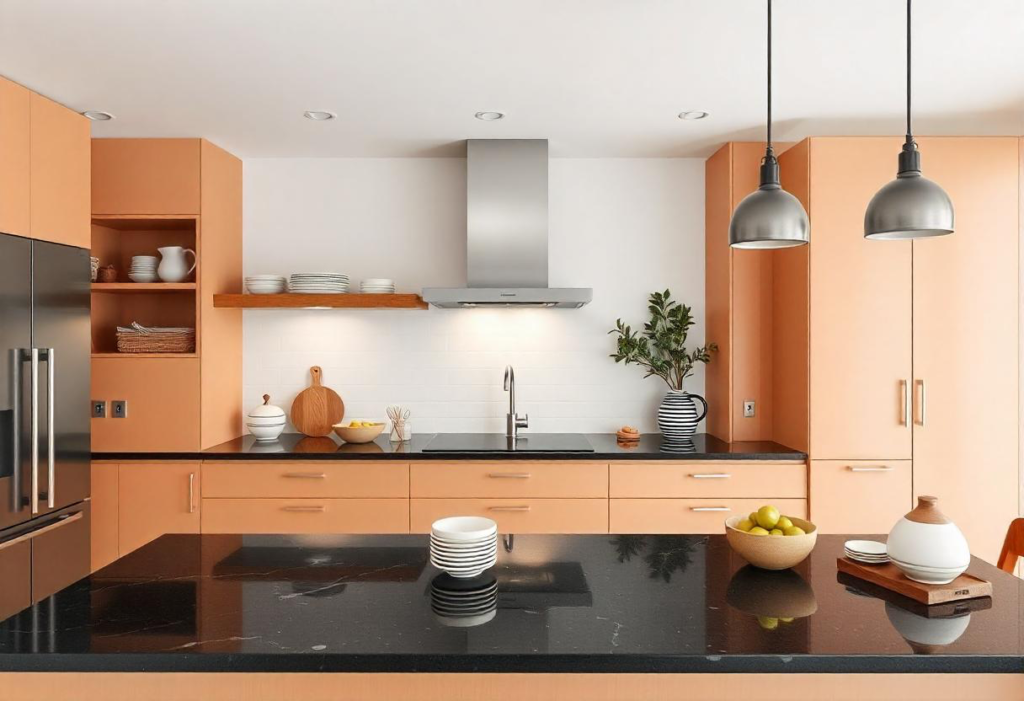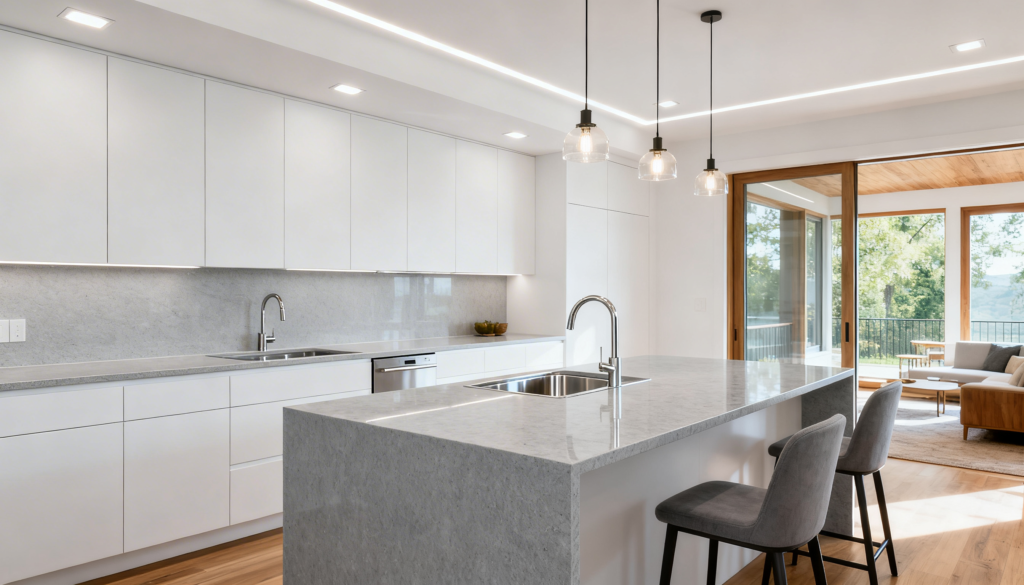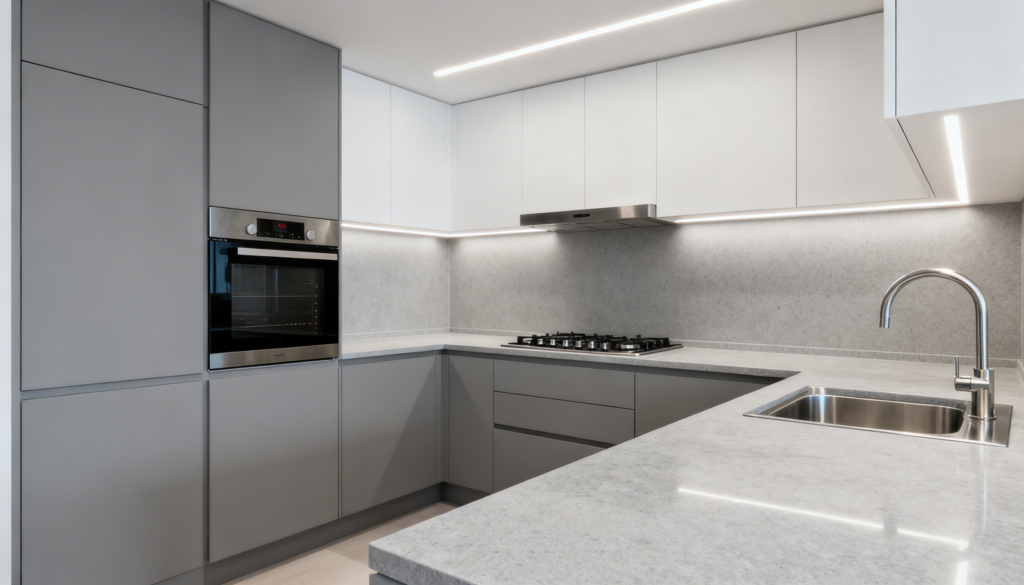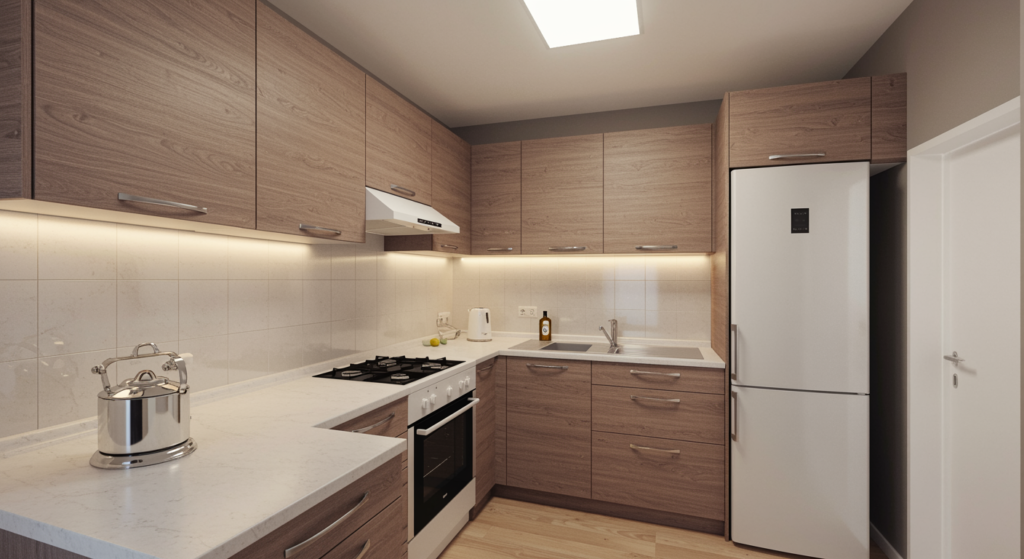
Kitchens design mishaps can transform a once-efficient kitchen into a crammed and irritating area, hence reducing your output and producing bottlenecks. Badly designed layouts such putting cabinets or appliances too close together might obstruct natural paths and limit mobility. To keep a pleasant, practical, and smooth kitchen setting, it is essential to guarantee appropriate spacing and careful positioning.
Kitchen Design Mishaps 1: Oversized or Misplaced Kitchen Islands
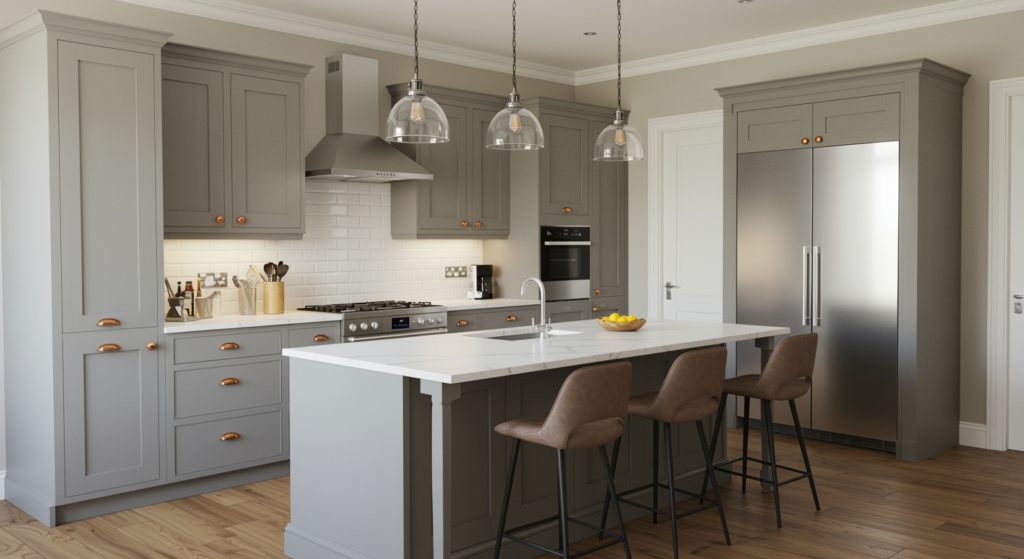
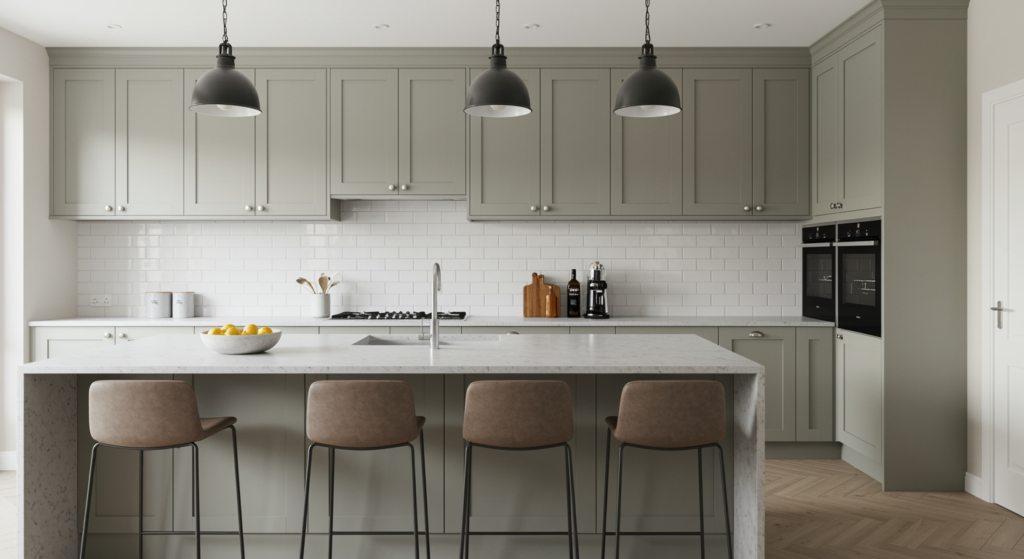
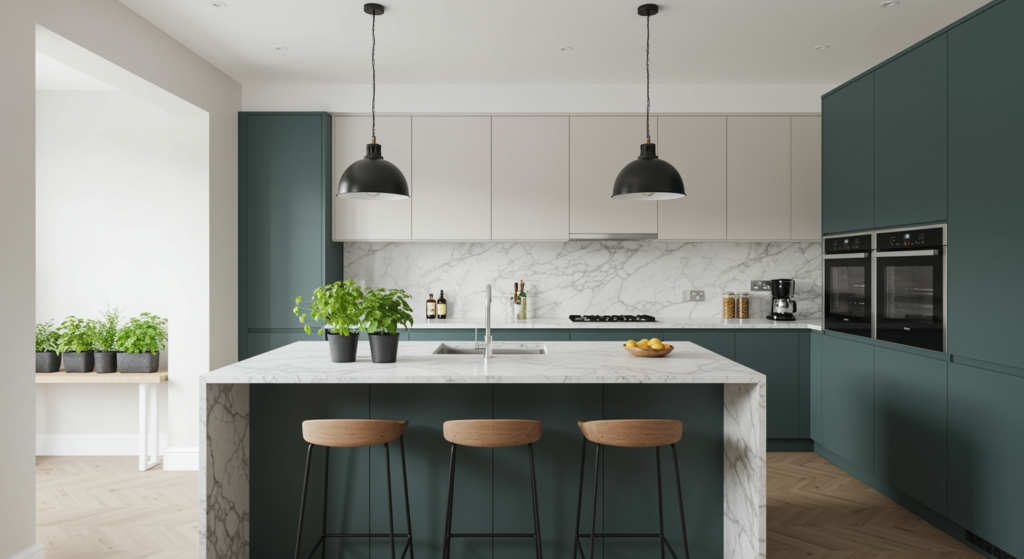
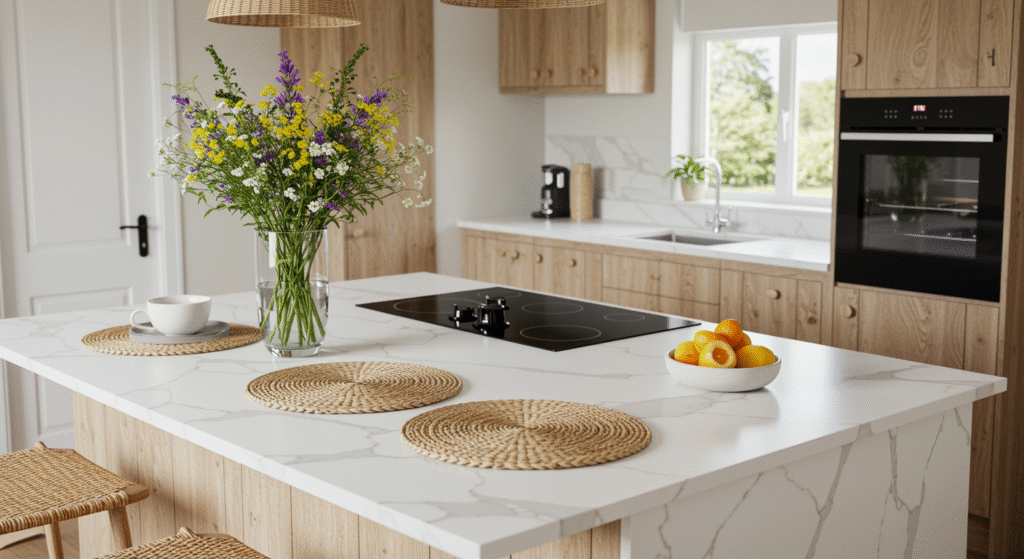
Among the most frequent design mistakes that will clog your room and obstruct regular traffic flow are over-sized or badly placed kitchen islands. Although islands are designed to improve utility, enlarge preparation spaces, and provide extra storage, incorrect size or location might have the reverse impact.
A too big island for the space uses expensive floor area and generates congested passageways, therefore making easy passage from one area to another challenging. This problem gets especially obvious when cabinet doors, drawers, or appliance doors contact with the island, therefore everyday irritation and sluggishly executing culinary chores.
Poor placement also causes traffic to weave around the island, resulting in bottlenecks especially when several persons are simultaneously utilising the kitchen. An island that is too close to critical work areas like the refrigerator, sink, or stove breaks up the normal workflow and ups the risk of accidents caused by close-quarters navigation. In smaller kitchens, an island badly placed can make the whole area feel cramped, thereby removing the open, airy design modern homeowners crave.
An island positioned without regard to the work triangle can cause ineffective and aggravating cooking habits in even bigger kitchens. In essence, a kitchen island should help with utility rather than impede it. Essential actions to stop your island from becoming a space-clogging barrier are choosing the right proportions, guaranteeing at least 36–42 inches of clearance, and matching it to the kitchen’s natural movement patterns.
Kitchen Design Mishaps 2: Inadequate Storage Planning
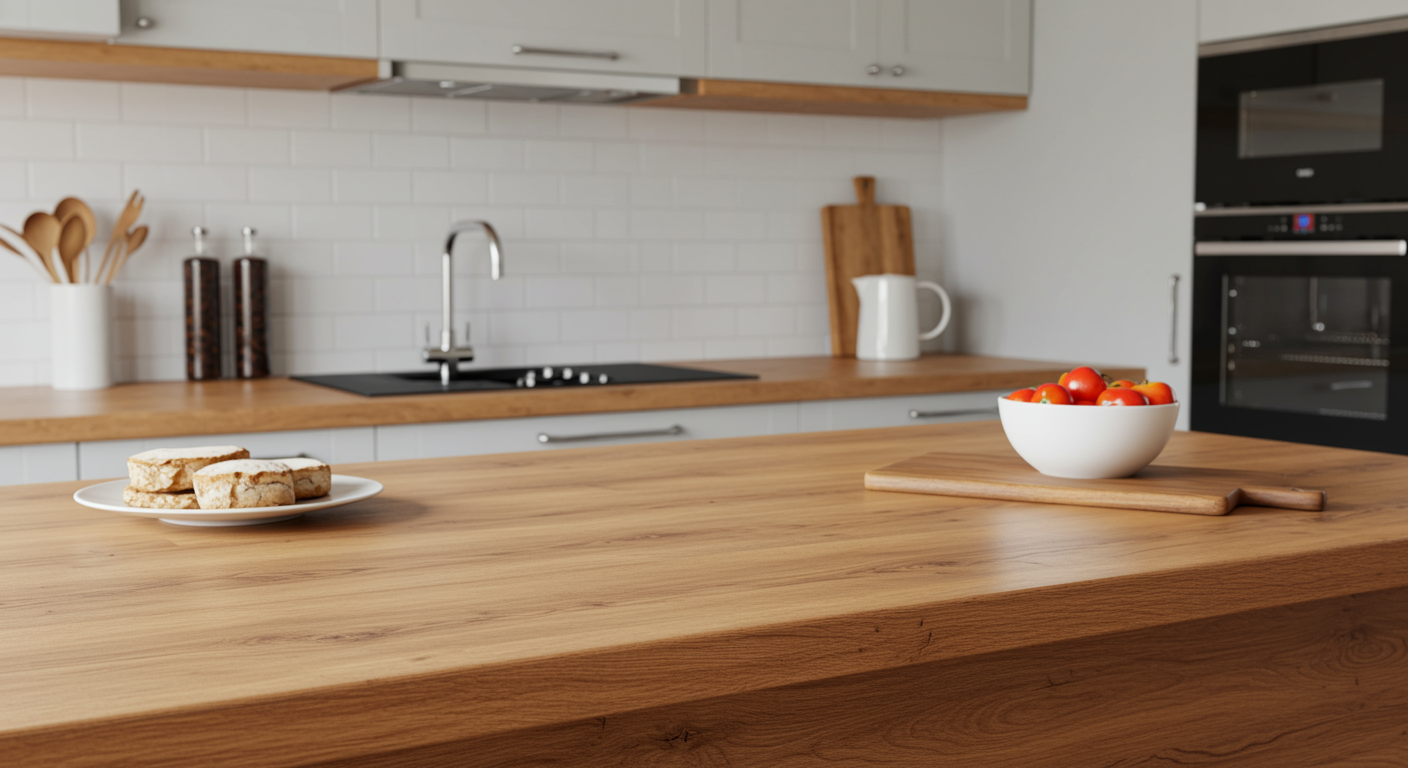
Poor arrangement among the most often seen kitchen design errors that quickly clog your area and obstruct natural traffic flow is planning. Objects unavoidably spill onto counters if a kitchen has insufficient, well-spaced storage sections, therefore lowering your usable preparation surface and giving the whole space confined feel.
Cabinets that are too deep without pull-outs, corner areas left not utilised, or upper units positioned too high to access easily often result from inadequate storage planning. Therefore, homeowners usually leave dishes, appliances, and basic items outside, therefore producing visual clutter and pushing people to negotiate around items that should not be obstructing their path.
Simple chores like chopping, cleaning, or grabbing ingredients become needlessly complex in this chaotic surroundings, which also slows mobility. Furthermore leading to congestion in particular locations is centralised storage in one area of the kitchen rather than strategically dispersed across several ones. For example, storing all pantry goods away from the cooking area guarantees regular back-and-forth movement, therefore creating traffic congestion particularly in houses with several users.
The kitchen grows more difficult to maintain without clever elements like drawer organisers, vertical dividers, lazy Susans, or pull-out shelves, and finding goods becomes a regular irritant. In the end, bad storage design upsets the equilibrium between function and flow, converting even large kitchens into clogged, ineffective zones. Beyond keeping countertops clean, thoughtful storage solutions are vital for preserving good circulation and guaranteeing the kitchen stays a cozy and well-organised room.
Kitchen Design Mishaps 3: Traffic Path Crossing Work Zones
One of the most frequent but easily ignored kitchen design errors that may rapidly clog your area and obstruct simple movement is traffic path crossing work sites. This problem arises when the household’s usual walking paths such paths leading to the dining area, bedrooms, or the garden cross straight essential kitchen work areas like the stovetop, sink, or prep counter.
Crossings of these circulation routes throughout your active cooking spaces cause continuous interruptions, collisions, and general messy surroundings during meal preparation. Cooks may need to stop, move aside, or negotiate past family members, youngsters, or guests walking by, thereby slowing down kitchen activities and raising the possibility of spills or injuries. This gets even more challenging in open-concept designs where distinct boundaries are not drawn and foot traffic may readily pass straight over the busiest regions.
Bad design of traffic patterns not only hurts efficiency but also causes safety issues since hot pans, sharp tools, and busy hands need unbroken room to function. Designers must account for how people naturally move through the house and make sure that main work areas are deliberately located away from major thoroughfares to prevent this clogging disaster.
Incorporating careful design decisions such as locating the cooking area along a less-trafficked wall, offering other entrance points, or utilising islands to reroute traffic helps produce a smoother, safer, and more natural kitchen flow. Avoiding routes that pass through work sites results in a more harmonic, well-operating kitchen experience for all.
Kitchen Design Mishaps 4: Poor Work Triangle Planning
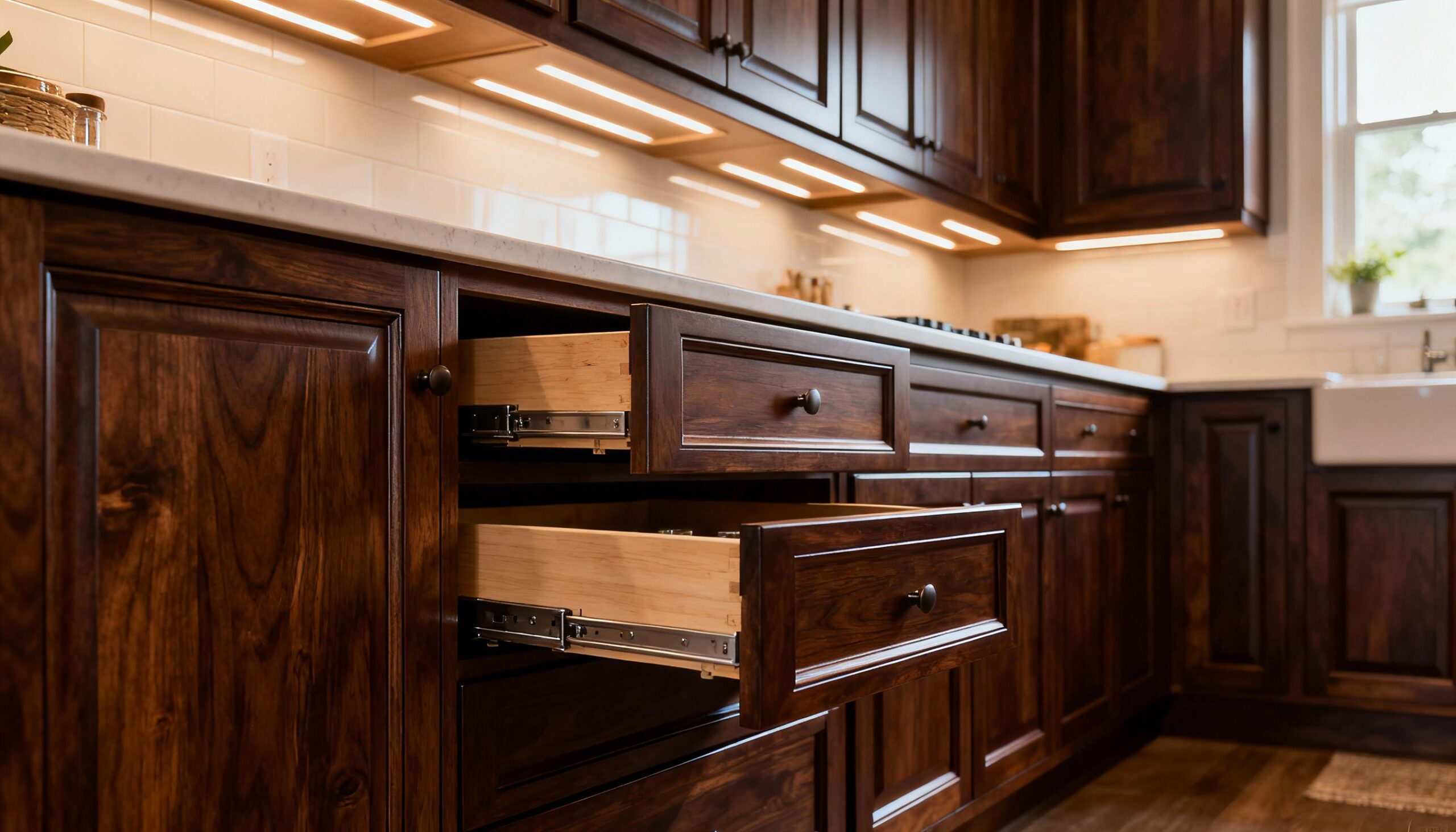
One of the most frequent kitchen design blunders causing serious space clogging and traffic flow interruption is poor work triangle planning. Though meant to simplify kitchen efficiency, the work triangle — a design principle linking the stove, sink, and refrigerator can convert a practical kitchen into a confined, cluttered setting when incorrectly done.
One big problem comes when these three important points are spaced too apart, thereby requiring too much walking while cooking. This slows down food preparation as well as lowers total kitchen output and raises exhaustion. Conversely, arranging them too closely together can result in congested areas with not much mobility, particularly when many individuals are utilising the kitchen simultaneously.
Obstacles like islands, cabinets, or dining tables crossing the triangle make navigation even more difficult and result in continuous bottlenecks. In insufficient spacing about work areas also makes it challenging to open appliance doors completely, access storage spaces, or move safely with heated pans and sharp utensils. A badly designed triangle in open-concept kitchens can obstruct the movement into nearby living or dining spaces, therefore resulting in a cramped and aesthetically unorganised environment.
Even minor errors in triangle measurements can have a major effect, transforming an otherwise large kitchen into a sequence of cramped, uncomfortable corridors. Investing time in thorough work triangle planning finally guarantees fluid traffic flow, maximises efficiency, and avoids frustration, allowing the kitchen to serve as the centre of the house rather than a area marred by congestion and constant disturbances.
Kitchen Design Mishaps 5: Insufficient Clearance for Doors and Drawers
One sometimes makes error in kitchen design is insufficient door and drawer clearance, which can seriously restrict area and hinder traffic movement. In kitchens where appliance doors, pantry doors, and cupboard doors are too close to hallways or one another, movement is clumsy and restricted.
Opening a refrigerator door that suddenly hits a cabinet, for instance, or attempting to access a drawer interfering with a nearby appliance causes users to constantly negotiate around obstacles. This increases the possibility of accidents, especially in homes with many people working simultaneously in the kitchen, in addition to slowing cooking and food preparation.
Poor clearance could also make it challenging to rapidly access storage. Reaching big pots, pans, and pantry items might be difficult if drawers cannot be opened completely; therefore, counters get cluttered as a temporary storage workaround. This might lead over time to a visual and practical bottleneck that slows down overall kitchen efficiency. Furthermore, tight spacing limits movement flexibility, therefore necessitating more accurate handling for even simple jobs such as transferring dinner dishes from the sink to the dining table, hence slowing the flow of labor.
Homeowners can keep a more fluid, safer traffic flow, minimise irritation throughout meal preparation, and preserve a sense of openness ultimately resulting in a kitchen that appears both practical and pleasant rather than cramped and crowded by giving enough clearance first priority.