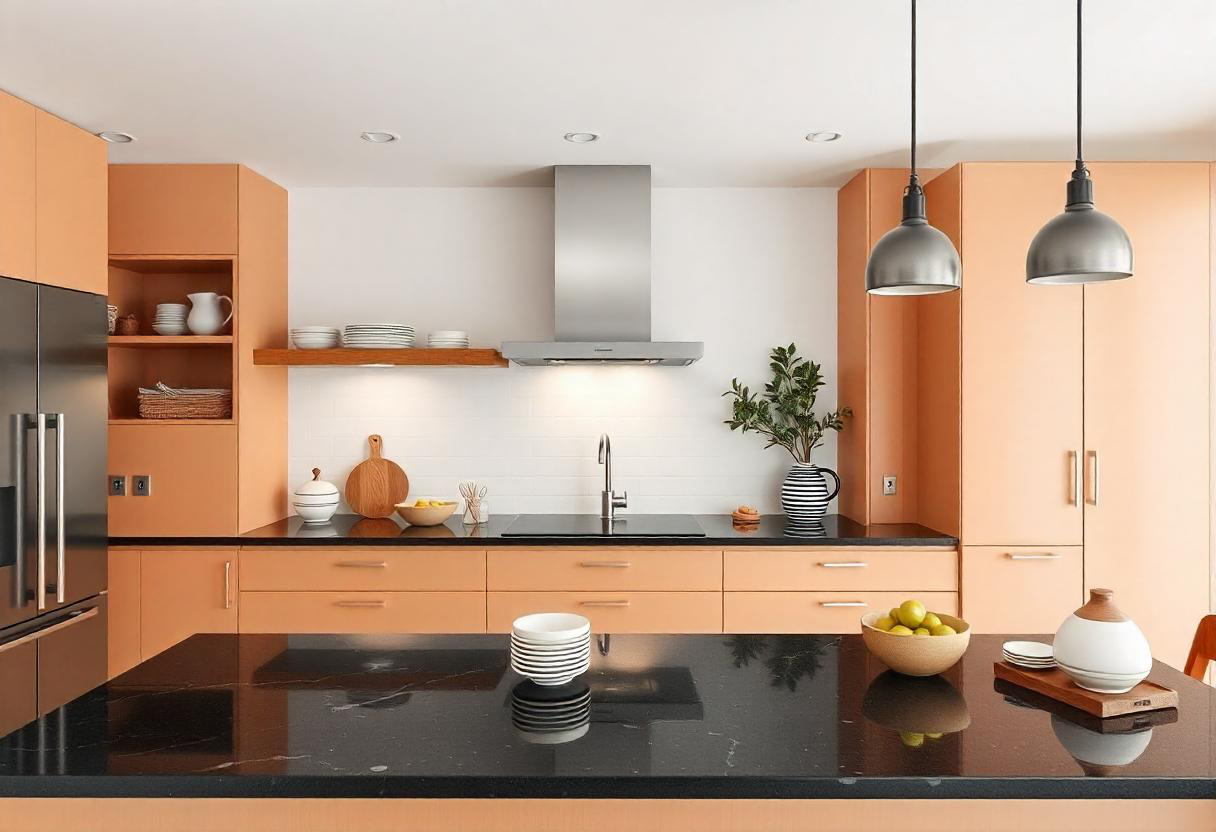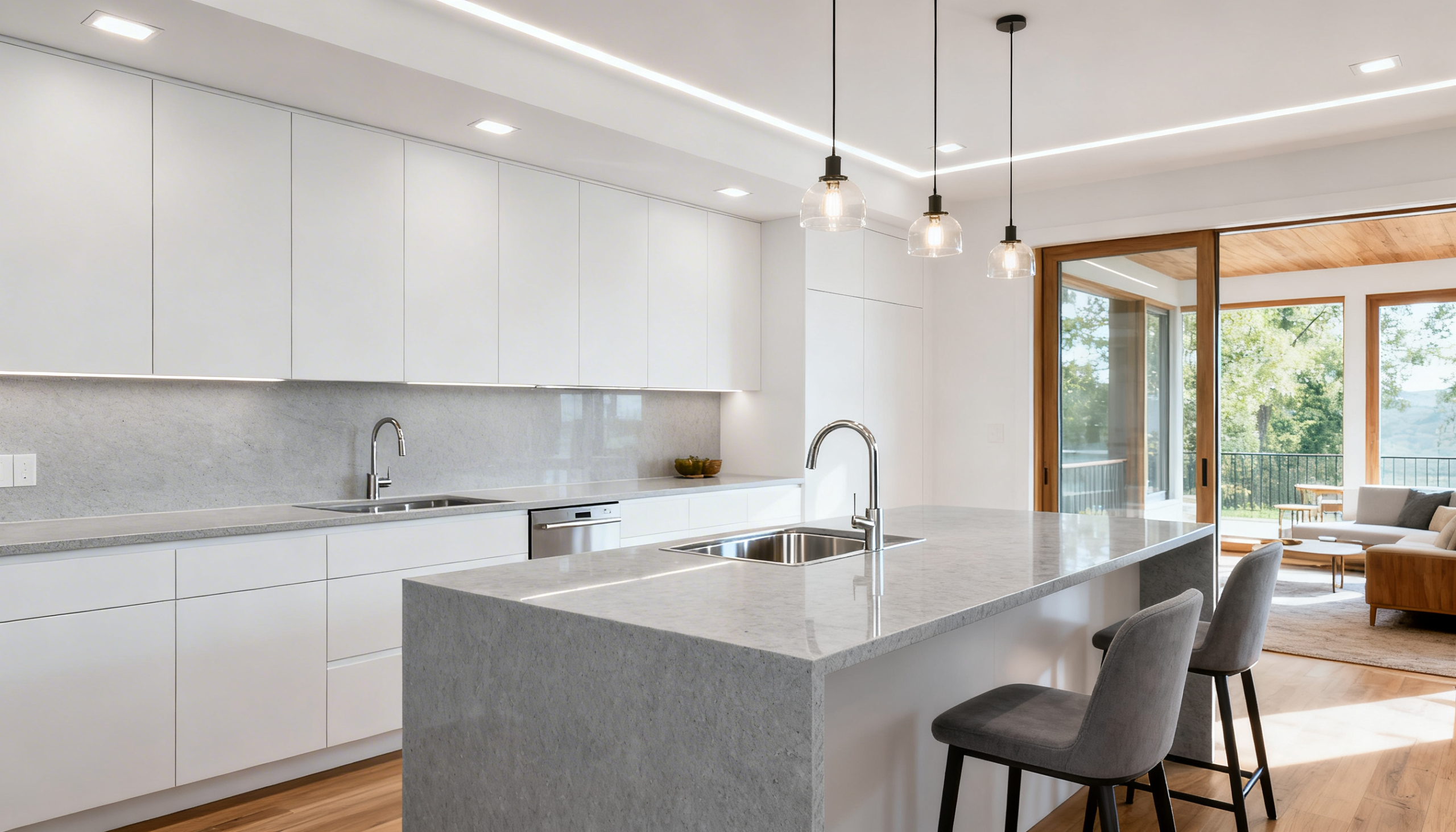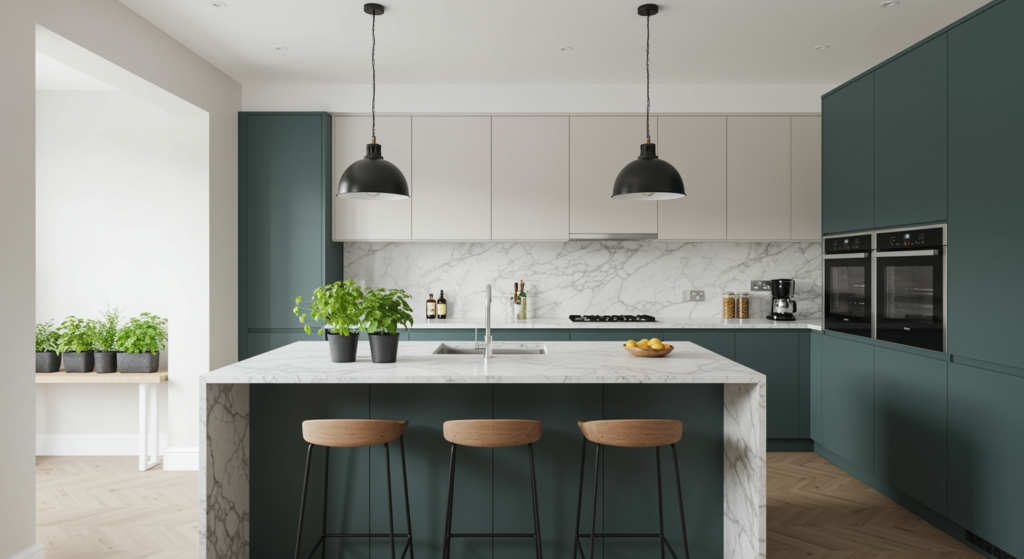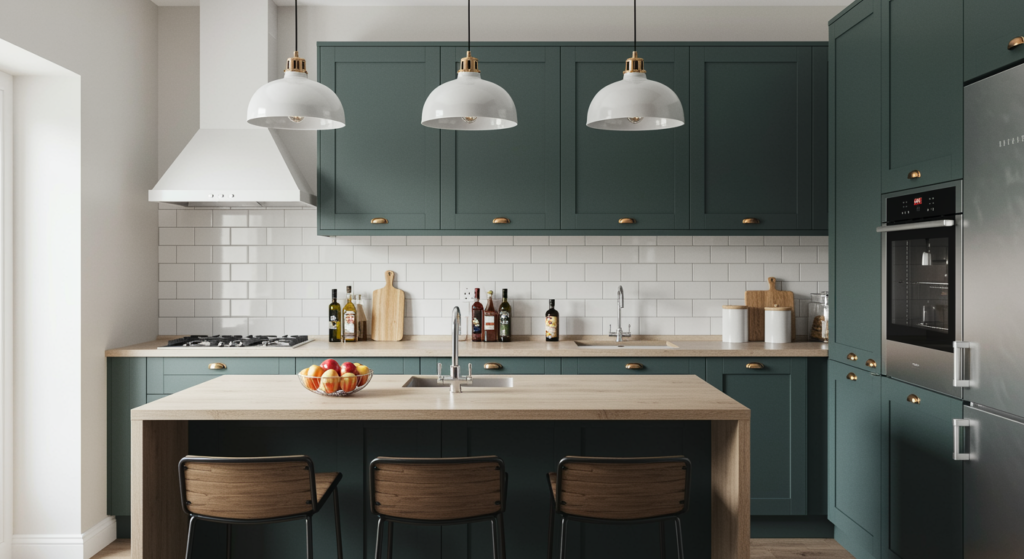
Ergonomic cabinet mistakes might make even the most basic cooking activity a disappointing experience. Cabinets set too low or too high cause unnatural bending or stretching, therefore stressing the shoulders and back. Badly designed cabinet arrangements and challenging-to-reach corners impede food preparation even more, transforming the kitchen into more like an obstacle course than a working area.
Ergonomic Cabinet Mistakes 1: Incorrect Cabinet Height
One of the most overlooked ergonomic cabinet errors that can swiftly transform cooking into a daily chore is incorrect cabinet height. Even basic cooking chores become physically taxing when cabinets are installed without regard to the user’s height and natural movement.
Mounted wall cabinets too high require users to continually reach their arms and stress their shoulders simply to get basic items like spices or plates. Shoulder tiredness and neck pain might result from this continuous reaching over time. Base cabinets that are too low, however, necessitate too much bending when getting food ready, storing or retrieving items, putting unneeded strain on the knees and lower back.
This becomes especially challenging in kitchens with frequent or lengthy cooking sessions. Incorrect cabinet height also interferes with workflow since users may have to halt repeatedly to change their posture or reorient themselves to access storage simply. Though typical, standard cabinet sizes typically disregard height, age, or mobility variations, therefore rendering the kitchen inflexible rather than user-friendly. Shallow work surfaces and low cabinets promote hunching in taller users; shorter persons may have trouble safely reaching overhead storage.
Over time, these apparently small height errors cause physical stress, lowered performance, and perhaps even a higher risk of injury. A well-designed kitchen should encourage natural posture and movement; however, when cabinet heights are inappropriately planned, the room becomes weary to use, transforming what ought to be a pleasant cooking experience into a physically exhausting routine.
Ergonomic Cabinet Mistakes 2: Poor Storage Zoning
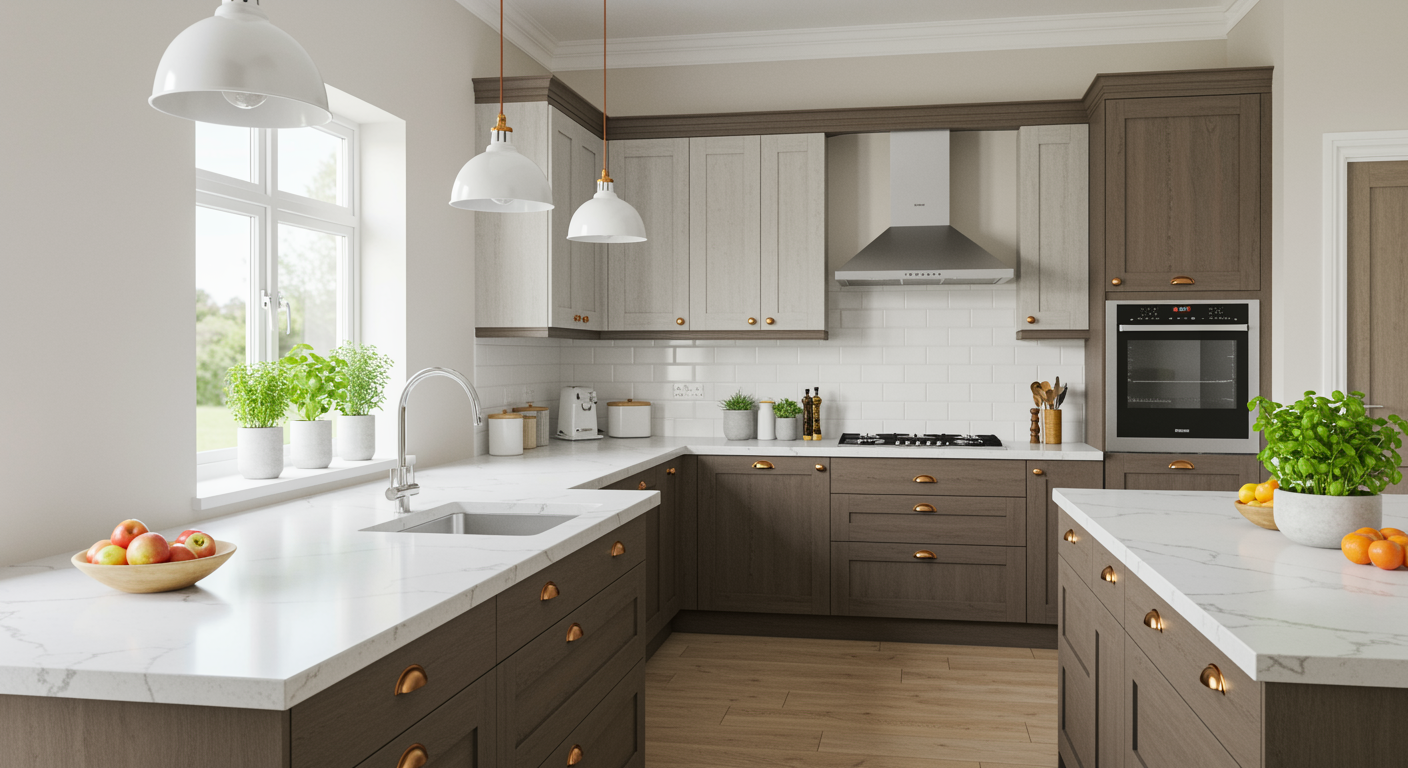
Though it transforms daily cooking into a wearisome task, bad storage zoning is among the most under used ergonomic cabinet error. Even little jobs grow excessively time-consuming and physically taxing when cabinets are not arranged to fit how a kitchen is really used.
Frequently used kitchen items like pans, dishes, spices, and cookware are sometimes kept far from where they are required, therefore necessitating continuous kitchen walking. Particularly during meal preparation, this interrupts workflow and distracts from concentration. Putting cooking utensils away from the stove or keeping cleaning goods distant from the sink, for instance, generates additional movement, folding, and stretching that fast adds up.
Users may also find themselves frequently reaching overhead for daily essentials or bending over to reach items should be readily accessible in badly zoned kitchens. These clumsy motions progressively cause joint pain, back strain, and muscle fatigue. Poor storage planning also causes cluttered countertops as homeowners leave frequently used things out for convenience, therefore shrinking available area and creating kitchen chaos.
The kitchen starts to operate against the user instead of fostering a consistent cooking pace. The area feels wasteful and annoying to utilise without distinct zones for preparation, cooking, cleanup, and storage. Poor storage zoning finally defeats the goal of ergonomic cabinetry by turning what should be a pleasant cooking experience into a monotonous and exhausting routine.
Ergonomic Cabinet Mistakes 3: Poor Handle & Hardware Choices
Often overlooked are bad hardware and handle choices. Ergonomic cabinet errors that could silently transform everyday cooking into a weary chore. Among the most often touched items in a kitchen are cabinet handles and drawer pulls; bad design of these causes discomfort to grow quickly.
Small, sharply edged, or excessively slim grips can penetrate into the fingers, generating hand tiredness and even some little pain after regular use. During lengthy cooking sessions, when cupboards and drawers are opened and closed dozens of times, this is particularly vexing. Though sleek, glossy or slick finishes impair grip, therefore requiring customers to use greater pressure simply to keep control.
This pointless strain can eventually damage the hands and fingers, especially for seniors or those with joint sensitivity. Though they look very small, push-to-open mechanisms can also be ergonomically unpleasant if abused since they call for constant force from the hands, hips, or knees often when the hands are wet or otherwise occupied. Likewise, heavy drawers without smooth, soft-close runners need more labor to open, therefore increasing physical stress and interfering with workflow. Badly placed handles add further to the misery and call for uncomfortable stretching or twisting to get to storage.
Cabinet hardware’s emphasis on looks above comfort, efficiency, and mobility costs the movement’s ease. Thoughtfully chosen handles with rounded edges, enough grip depth, and smooth-glide hardware can dramatically improve usability, proving that little details play a major role in creating a kitchen that feels effortless rather than exhausting.
Ergonomic Cabinet Mistakes 4: Ignoring Drawer-Based Storage
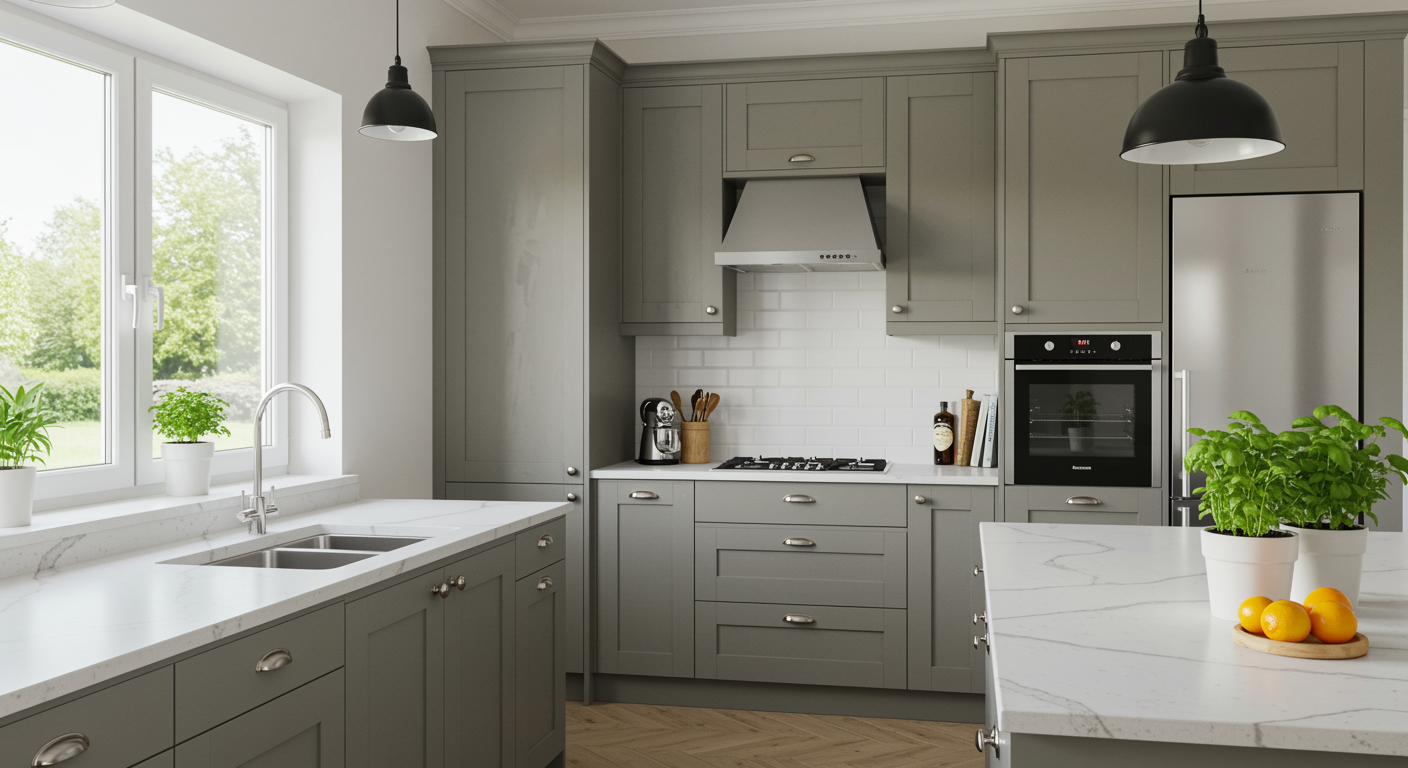
Ignoring drawer-based storage in favour of conventional hinged-door cabinets is among the most frequent ergonomic cabinet mistakes that can turn cooking into a chore. Standard cupboards sometimes give up accessibility, efficiency, and general comfort in the kitchen although they seem neat and roomy.
Accessing objects at the rear of hinged-door cabinets requires the user to stoop, kneel, or reach far within, which can be especially inconvenient for heavy pans, pantry supplies, or frequently used utensils. Over time, this repeated stretching and bending can cause wrist, shoulder, and back strain, which makes even basic chores exhausting. Drawers, on the other hand, provide clear visibility and easy access to stored goods, therefore minimising unwanted motion and physical strain.
Divisions, trays, or pull-out inserts can be used with drawer systems to neatly organise cutlery, pots, pans, and spices, therefore guaranteeing that every item has its own place. Ignoring drawers likewise hinders workflow efficiency; reaching into a deep cabinet frequently disrupts the natural flow between prep, cooking, and cleaning areas while cooking. This can greatly impede meal preparation and raise irritation for families or individuals who cook often.
Modern kitchens choose drawer-based storage not only for ergonomics but also for time-saving and convenience advantages. Ignoring this design idea, consumers run the danger of producing a kitchen that seems heavy, counterintuitive, and physically demanding — transforming what ought to be a pleasant cooking experience into a daily strain. Simple yet transforming way to improve comfort and utility in any kitchen is by giving drawers first priority.
Ergonomic Cabinet Mistakes 5: Neglecting User Lifestyle & Cooking Habits
Designing a kitchen without taking the user’s lifestyle and cooking patterns into account is among the most under used ergonomic cabinet blunders. This is a mistake that can turn cooking from a pleasure into a drag. Each home has different customs: some prepare sophisticated dishes every day; others depend on simple fixes or meal prep shortcuts.
Cabinets that don’t fit these patterns compel needless bending, stretching, or walking, thereby slowing even little jobs. Putting often used ingredients or tools in high or deep cupboards, for example, ignores the actual process of daily cooking, hence straining the knees, back, and shoulders repeatedly. Likewise, a one-size-fits-all design could ignore family dynamics like the need for children or older members to have safe access to particular goods, therefore causing possible dangers and aggravation.
Though these elements may greatly match storage with actual life usage, open shelving, pull-out drawers, and changeable shelf heights are sometimes disregarded. Even little decisions like the position of spice racks, pantry goods, or prep areas can either simplify dinner preparation or decelerate it to a tiresome chore. Ergonomic design should expect not just cooking but also the rhythm of the house, therefore enabling consumers to instinctively travel from preparation to cooking to cleaning.
Cooking becomes physically demanding and psychologically exhausting when cabinets neglect these elements, so discouraging daily usage and experimentation. In the end, a kitchen that ignores the user’s lifestyle compromises efficiency and pleasure both; ergonomics stresses that it is as much about conduct as it is about measurements.