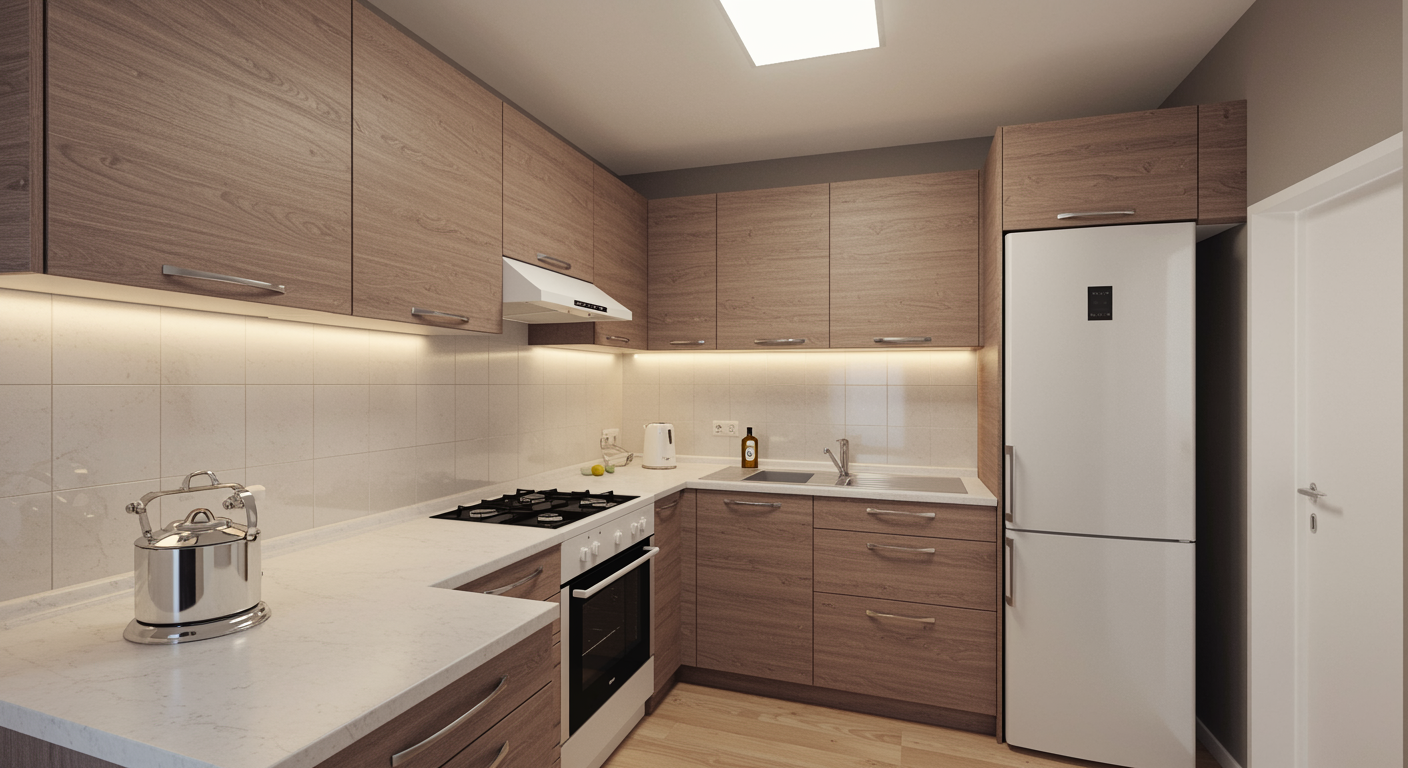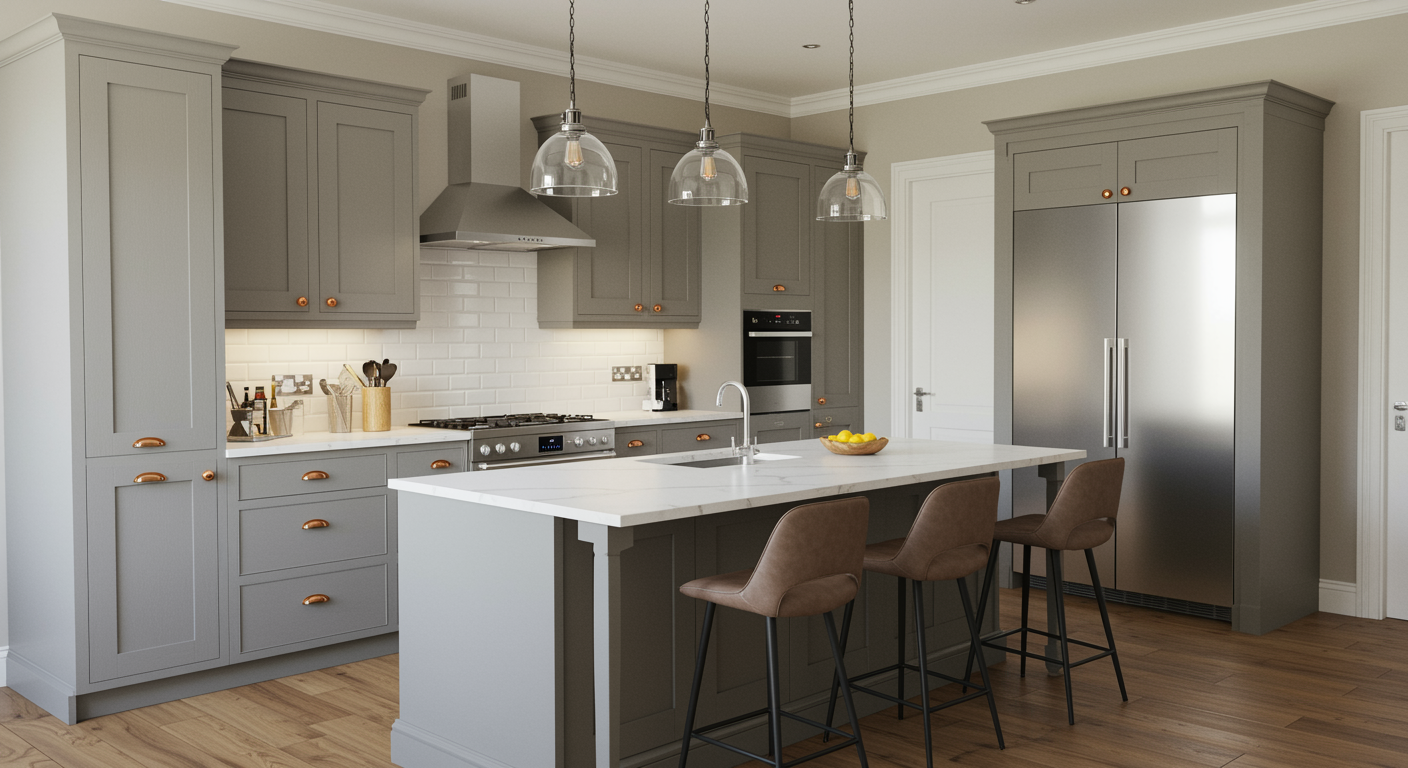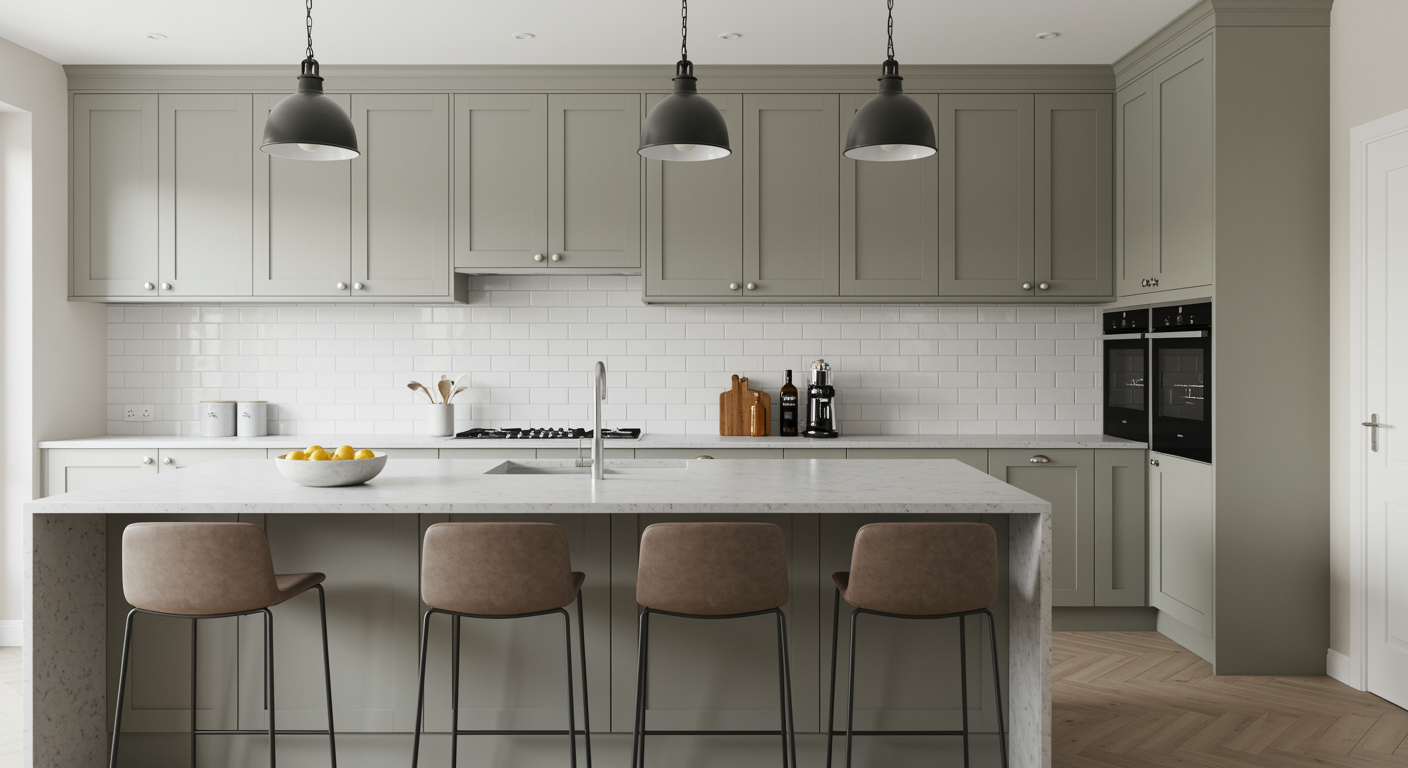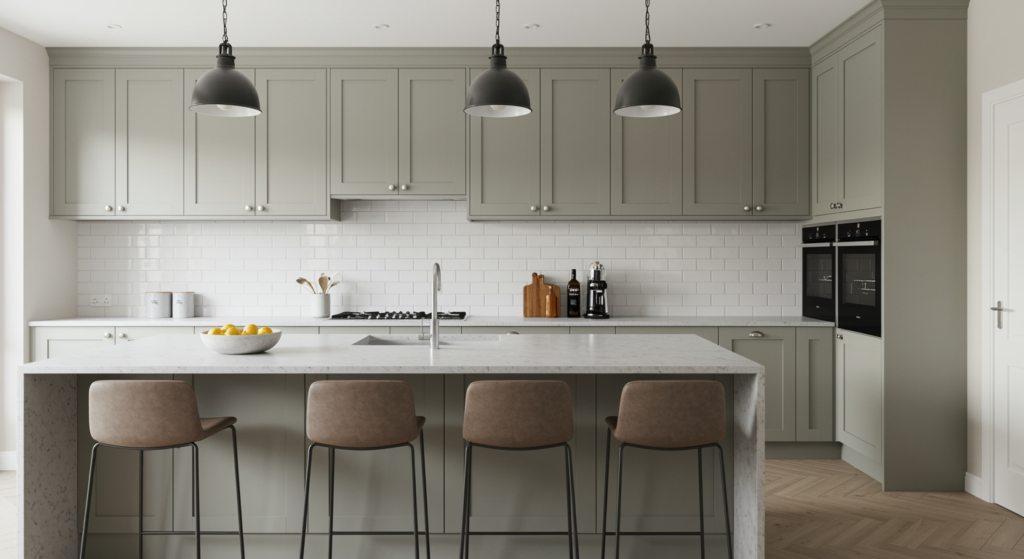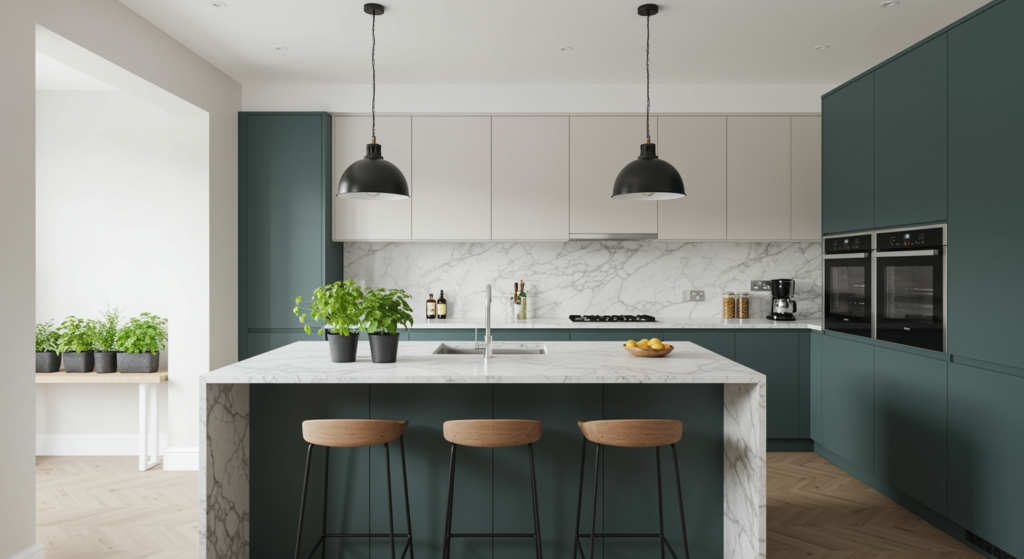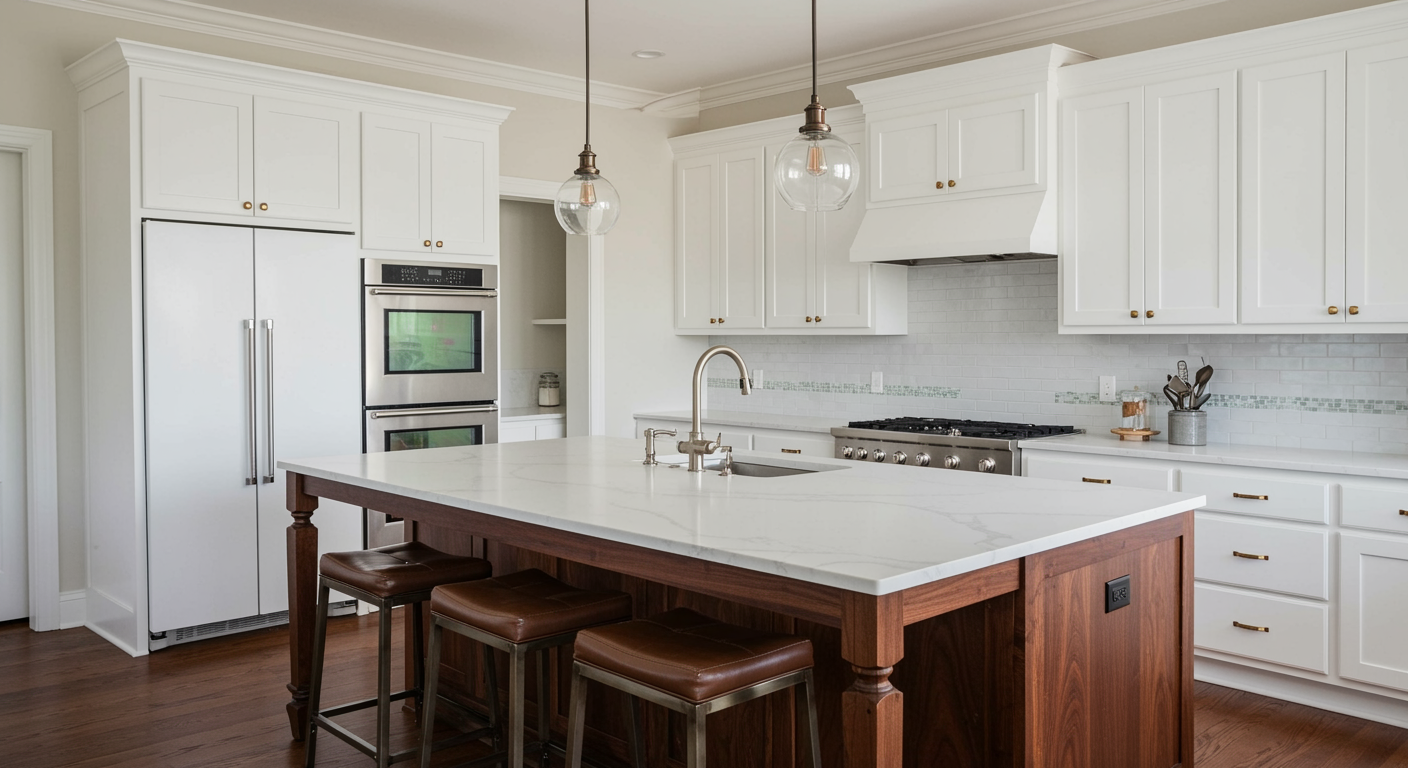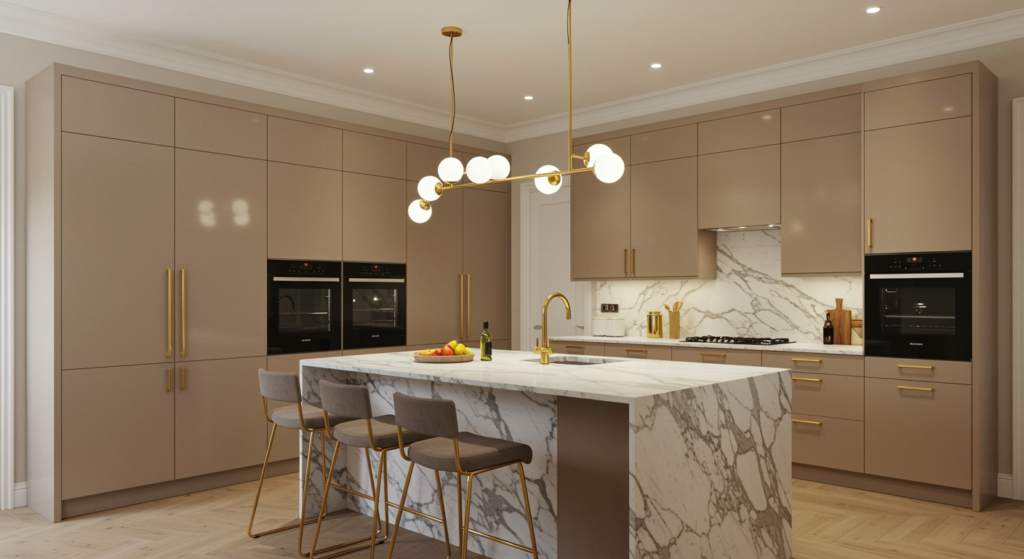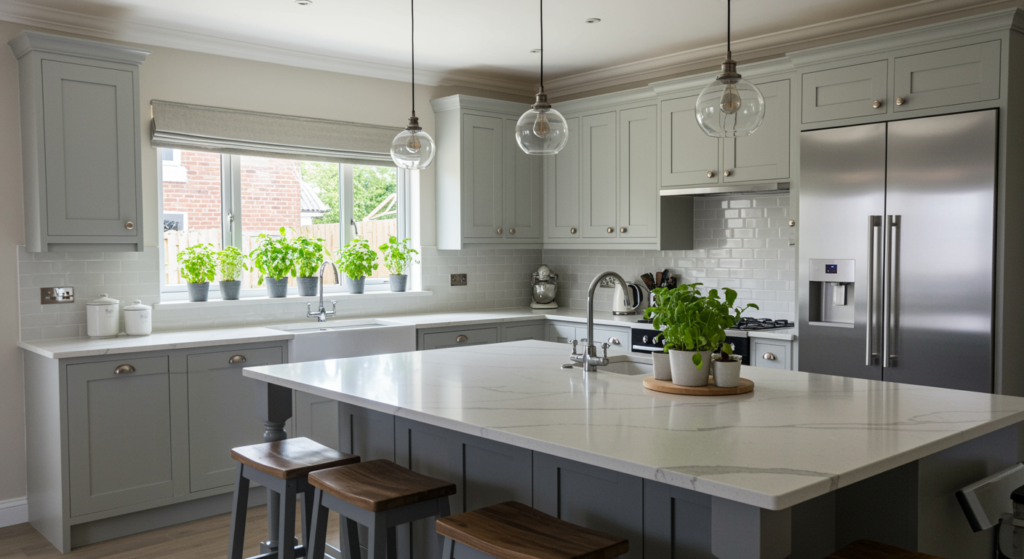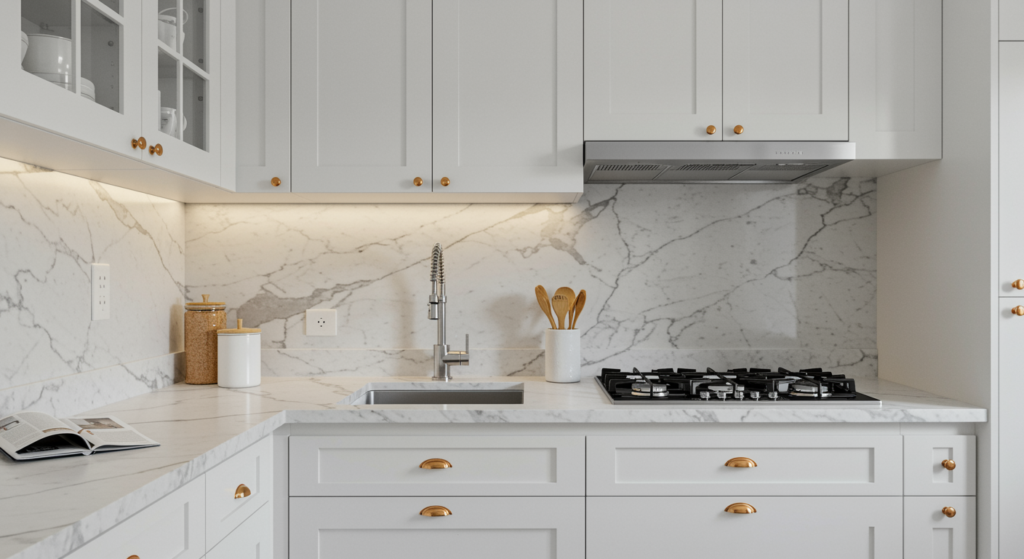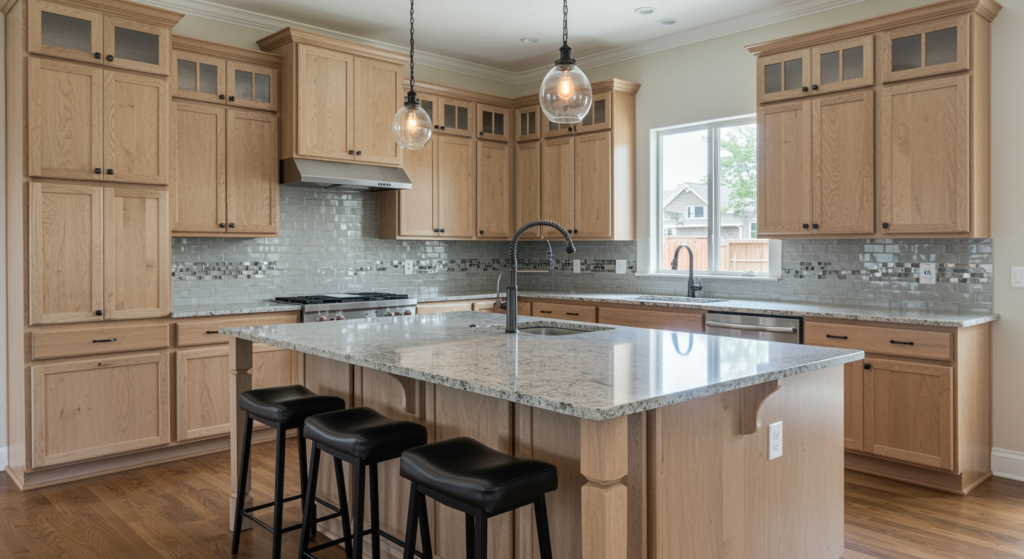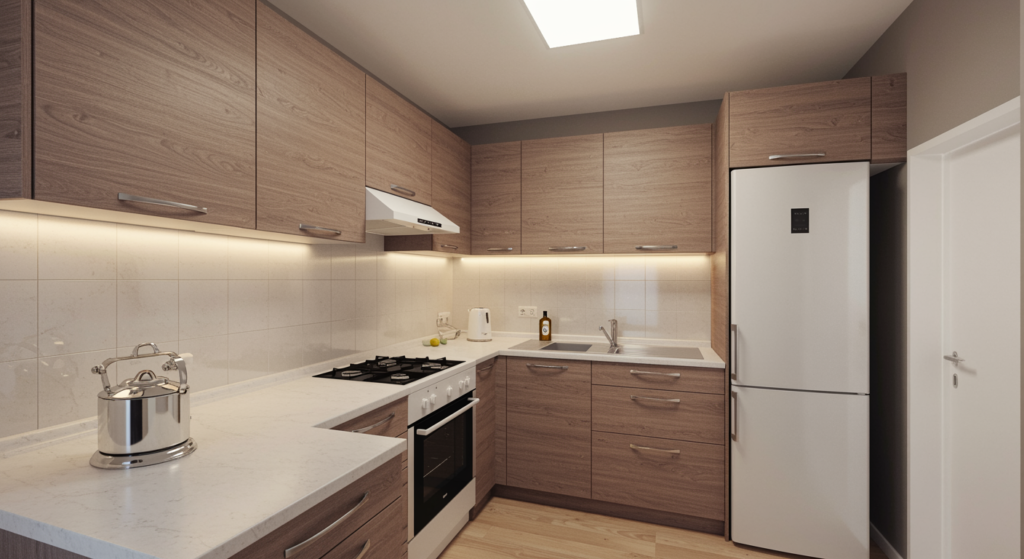
Kitchen of peace starts with deliberate elements that minimise daily stress, and soft-close cabinets are among the easiest but most powerful improvements. By getting rid of abrupt slamming noises and generating smooth, regulated movement, they reduce the little stressors that can passively raise cortisol levels. By doing so, they convert regular cooking sessions into more peaceful, healing events.
Kitchen Of Peace 1: The Stress-Reducing Power of Environment
The kitchen is an emotional environment that subtly impacts our stress levels all day, not only a functional place. One of the most used rooms in a house, it presents us to repeated sensory stimuli: sounds, light, textures, visual mess, and motion.
Studies in environmental psychology reveal that these daily triggers can either trigger or soothe the body’s stress reaction. The brain sees micro-stressors when a room appears disorganised with strong lighting, messy counters, and sudden loud noises like cabinet slams. Every sudden noise can start a subdued fight-or-flight response that releases cortisol even if we are not consciously aware of it. Over time, these little but often happening stress spikes add up and lead to tension and weariness.
Conversely, a carefully created kitchen supports simplicity and dependability. For instance, soft-close cabinets do away with the abrupt slamming that disturbs a serene environment. The nervous system is given safety and stability signals by the deliberate, steady movement, hence enhancing a feeling of order. A restoring rather than a reactive environment results from visual harmony, low noise, and seamless operation working together.
In this way, the “Kitchen of Peace” is about deliberate design decisions supporting emotional regulation rather than luxury. Homeowners can turn regular cooking and cleaning into experiences that feel grounded and calming by reducing sensory disturbances so helping to maintain cortisol levels in check.
Kitchen Of Peace 2: Soft-Close Cabinets = Quieter Kitchens
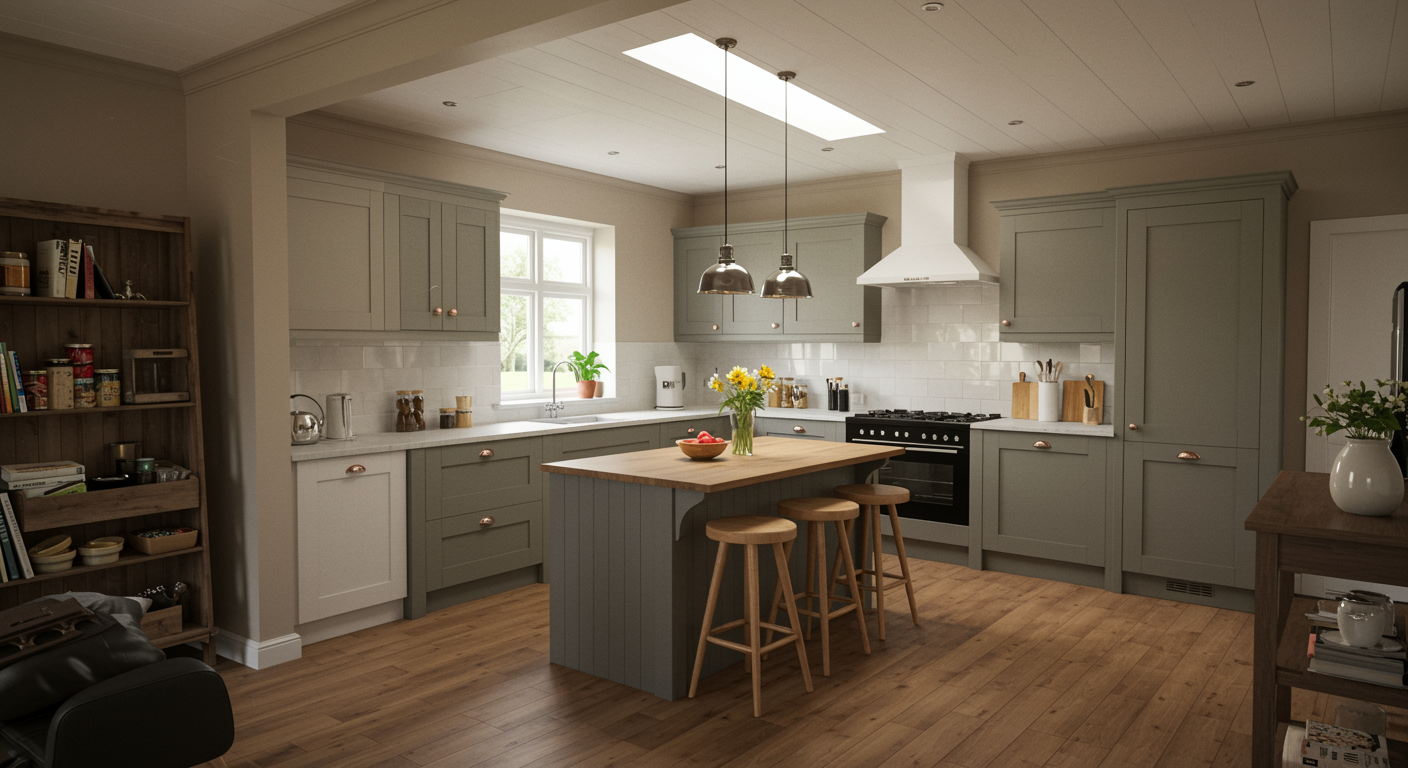
One of the most ignored contributors to daily stress at home is noise, particularly the harsh, repeated sounds emanating from drawer and cupboard doors. These sudden noises can occur dozens of times a day in a hectic kitchen and softly cause the body’s startle reaction every time.
Soft-close cabinets get at the root of this problem. With hydraulic or spring-loaded hinge systems, they softly direct doors and drawers shut in a fluid, regulated movement, hence removing violent bangs and abrupt crashes. This apparently modest change changes the acoustic environment of the kitchen from one characterised by abrupt noises into one defined by subdued harmony.
Studies in environmental psychology demonstrate how surprising noise may raise stress levels and promote more cortisol generation even when people are not consciously aware of the disruption. Soft-close cabinets preserve a quieter baseline during the day by reducing these tiny stressors. The lack of hammering noises also promotes a more deliberate cooking process, which enables tasks to seem less hurried or chaotic and lets talks to run smoothly.
In homes including multigenerational family members or children, quieter cupboards might help to further lower stress, especially during early mornings or late nights. Soft-close cabinets finally change the sensory environment of the kitchen rather than just protect carpentry and increase hardware longevity. Lowering noise pollution inside the house helps them to create a softer, more tranquil atmosphere that supports emotional balance and so reduces tension.
Kitchen Of Peace 3: Cortisol and Everyday Triggers
Frequently referred to as the main stress hormone of the body, cortisol helps to control energy, consciousness, and the fight-or-flight reaction. Though necessary for survival, consistently high cortisol levels can cause tiredness, agitation, sleep problems, and even long-term health problems.
Many homeowners fail to grasp that cortisol reacts to minor, recurring stresses throughout the day rather than just to significant life events. One of the most often utilised areas in a hectic home, the kitchen is a typical source of these “micro-stressors.” Sudden noises such as drawer or cabinet door slamming can trigger little startle reactions that set off transient cortisol increases.
Though every spike may appear little, continuous exposure to sharp noises can keep the neurological system in a low-level state of alertness. Especially in settings designed for nourishment and connection, this continuous background tension may over time lead one to feel mentally exhausted. By making sure doors and drawers close softly and quietly, soft-close cabinets reduce the possibility of sharp sounds that disturb calm and help to minimise these daily triggers.
Homeowners build a more stable, calming atmosphere by removing one little but frequent source of auditory stress. Soft-close hardware helps to reduce sensory interruptions that can quietly raise cortisol levels all day in “The Kitchen of Peace,” therefore promoting emotional well-being rather than merely being a practical upgrade.
Kitchen Of Peace 4: Improved Tactile Experience
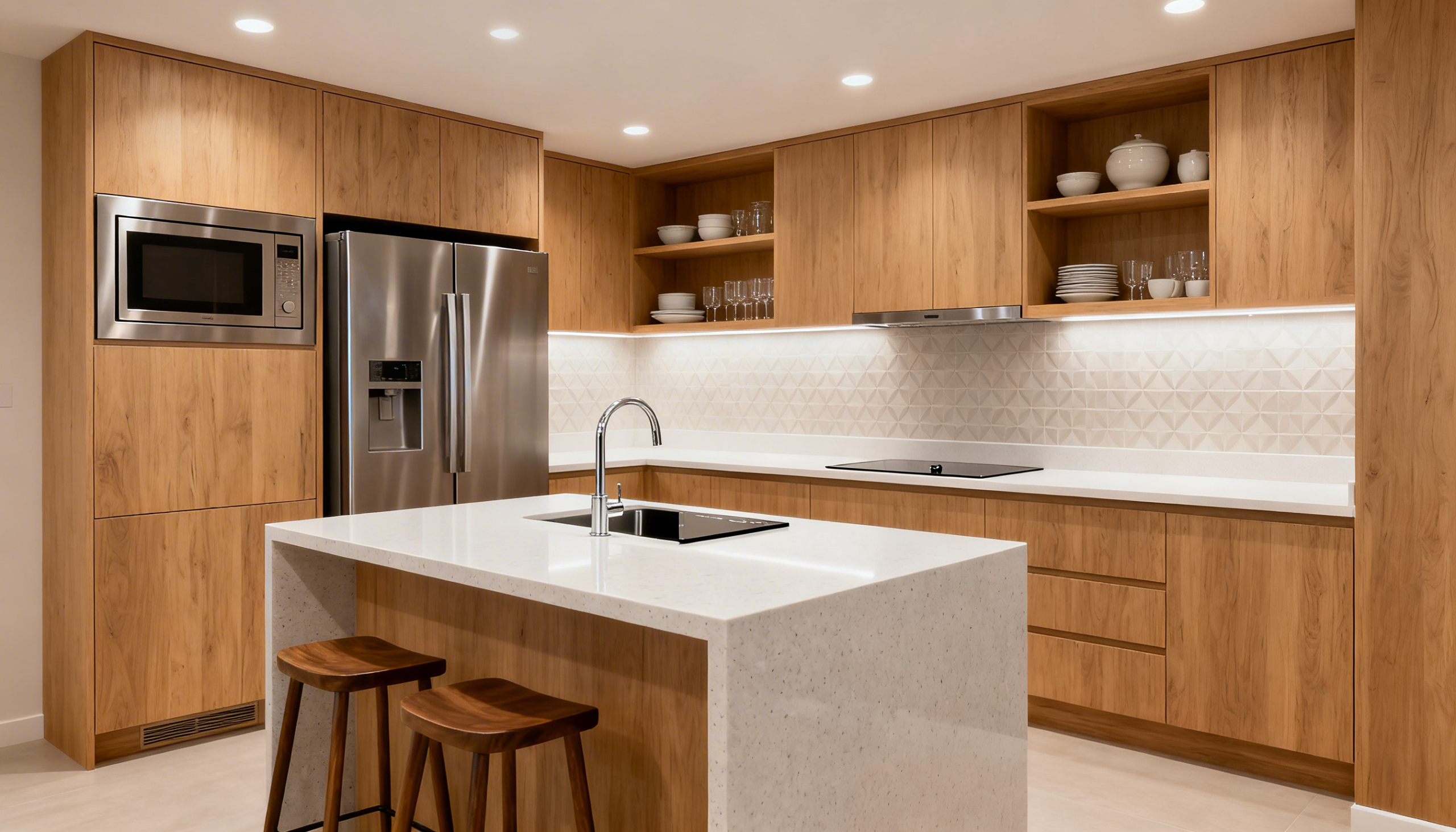
Often forgotten factor of The Kitchen of Peace: The better tactile experience that soft-close systems offer helps to reduce cortisol. Our stress levels are subtly but strongly shaped by how we physically engage with our environment. Traditional cabinet doors slamming shut cause sudden vibrations, loud noises, and a startling physical sensation that might set off a little startle response.
Though we might not deliberately notice it, this constant sensory disturbance can over time lead to increased cortisol levels. Soft-close cabinets, by contrast, slide quietly and complete with a measured, restrained movement. That expected resistance and quiet closure help the setting to be stable and quiet, hence reinforcing feelings of security and control.
Less force, less impact, and more fluid movement characterise the hands, which transforms everyday chores like reaching for a plate or putting away groceries into graceful, almost mindful gestures. This consistency is important since the brain relies on predictability; seamless tactile feedback indicates that the surroundings are safe and manageable. These little, good sensory contacts build over time to convert the kitchen into a relaxing instead rather than an exciting one.
Soft-close cabinetry naturally fosters nervous system control by lowering micro-stressors and replacing them with gentle, deliberate design, therefore enabling the kitchen to serve not only as a workplace but also as a revitalising place that encourages lower cortisol levels and more daily ease.
Kitchen Of Peace 5: Functional Benefits That Reduce Frustration
One of the most under appreciated features of a quiet kitchen is its capacity to stop little, daily annoyances—soft-close cabinets contribute greatly to that. In a room used several times daily, even little inconveniences can turn into real stress triggers.
Traditional cabinet doors that slam shut produce unexpected noise, vibrations, and wear that over time can chip finishes, loosen hinges, and harm stored items. These continuous interruptions not only lower the life of cabinetry but also subtly stress daily activities. Soft-close systems softly draw doors closed with regulated movement even when your hands are busy, hence removing the need to physically direct them. This means no more unintended slams when multitasking, transporting groceries, or hastily preparing food.
The smooth, consistent glide lessens mental friction and physical exertion, therefore producing a feeling of simplicity in mobility. This consistency helps to create a more subdued cooking environment where contacts seem deliberate rather than reactive over time. Reduced micro-stress events throughout the day result from fewer shattered dishes, less scuffed cabinet corners, and less jarring sounds.
Reducing these repeated irritations helps stop tiny cortisol surges that can build up when environmental causes continue, so preserving stress physiology generally. Soft-close cabinets convert everyday activities — opening, closing, tidy into fluid gestures by silently supporting efficiency and materials protection, hence reinforcing the notion that a well-designed kitchen is emotionally repairing as well as practical.