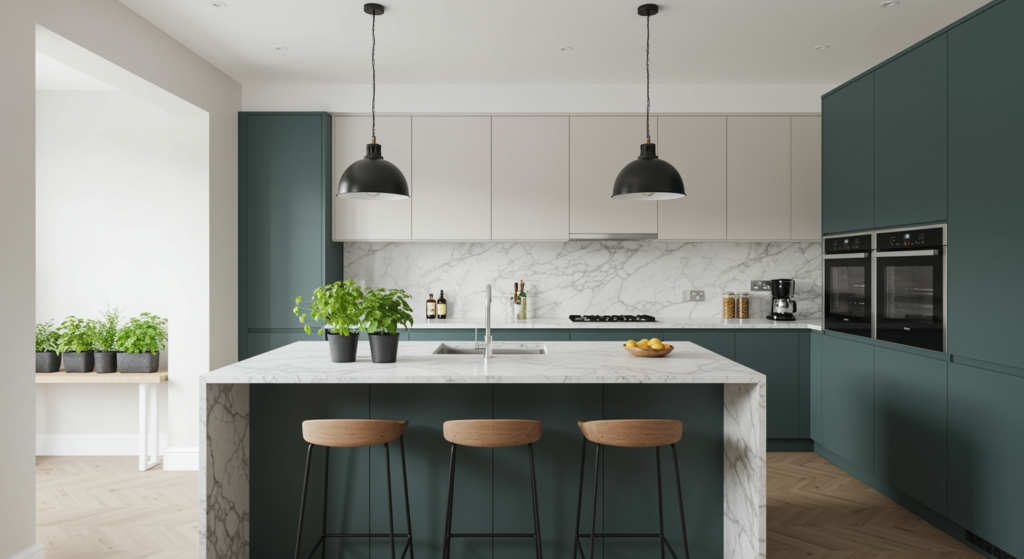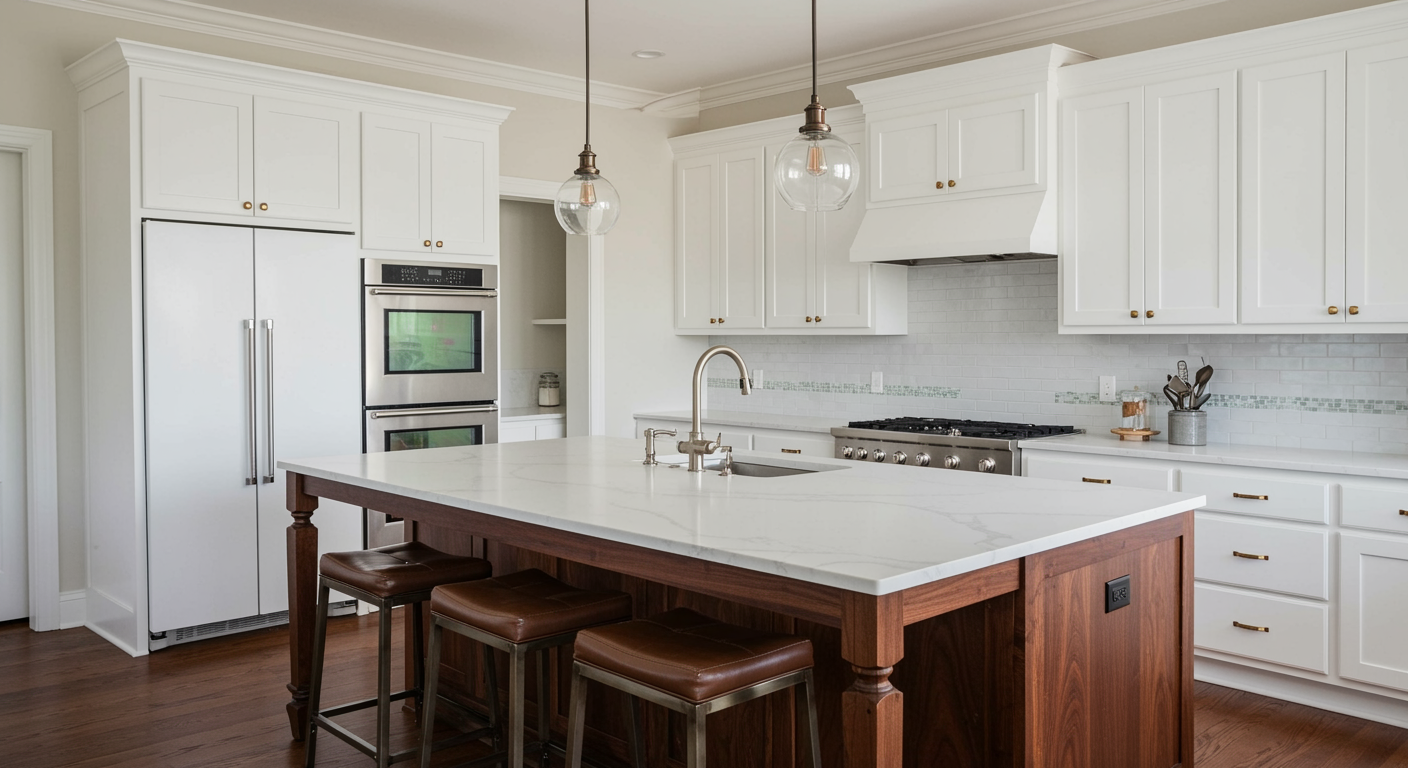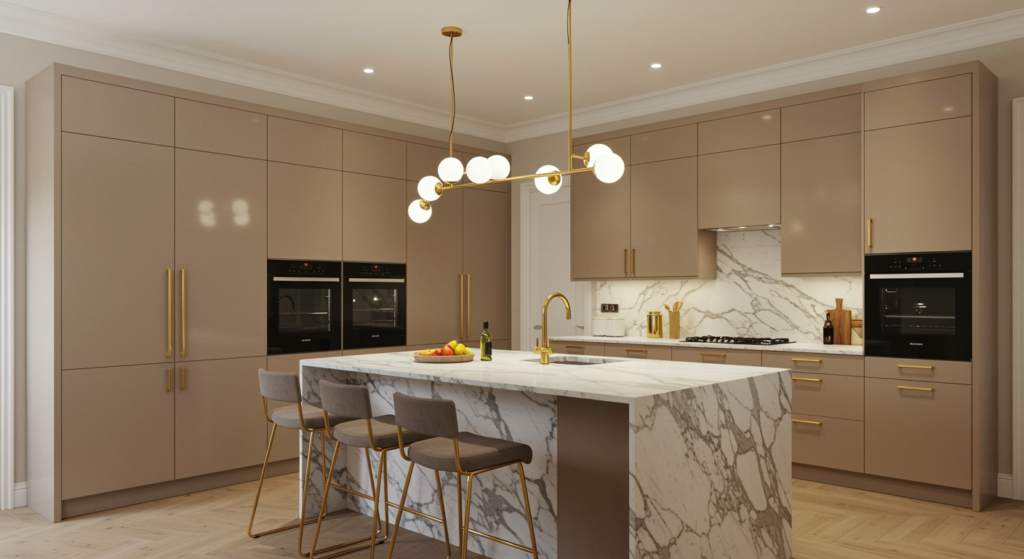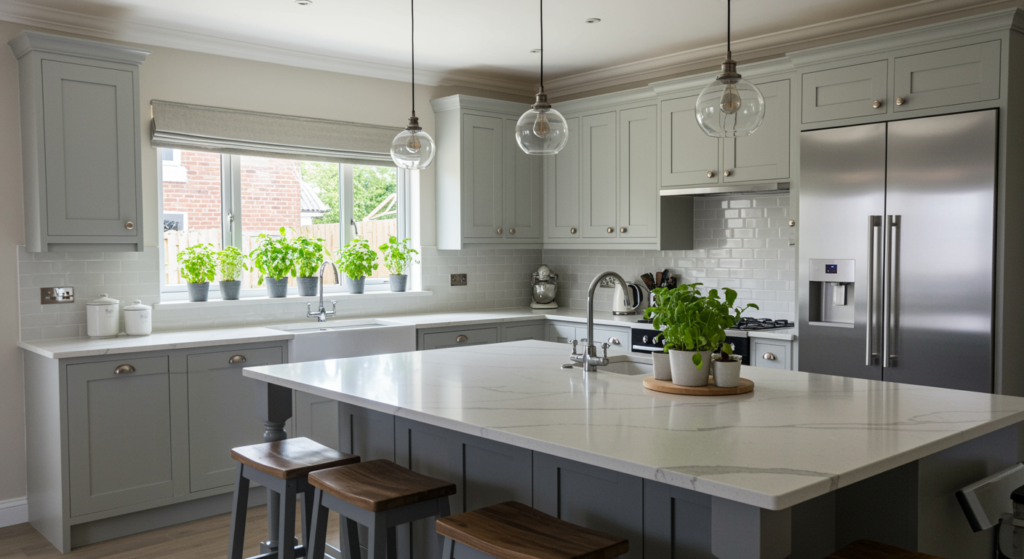
The cabinetry handbook places focus on every design decision and the fine line between aesthetics, usefulness, and longevity. Emphasising the choice of complementary materials, finishes, and hardware, it defies daily wear. It guarantees cabinets’ aesthetic appeal and longevity by combining careful design, good workmanship, and accurate installation.
The Cabinetry Handbook 1: Design & Aesthetics
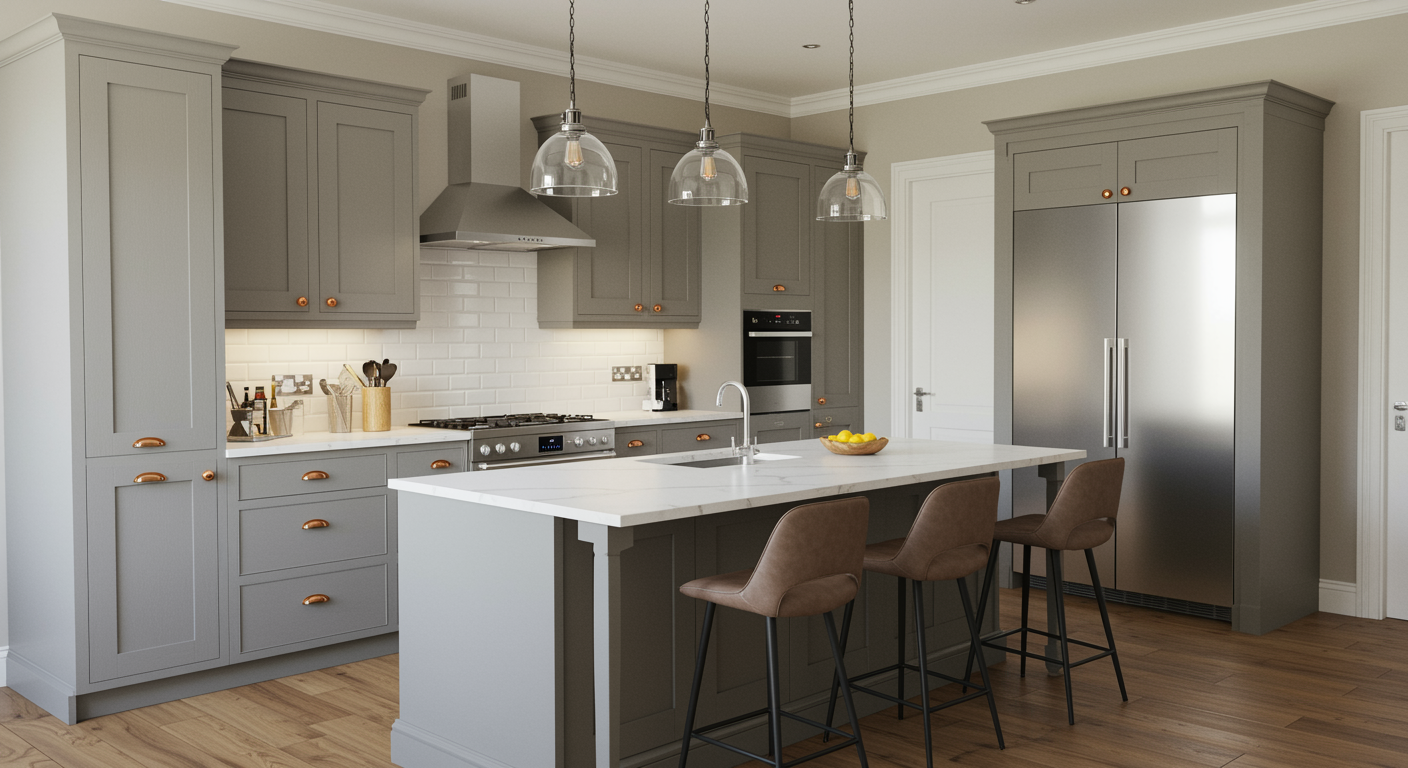
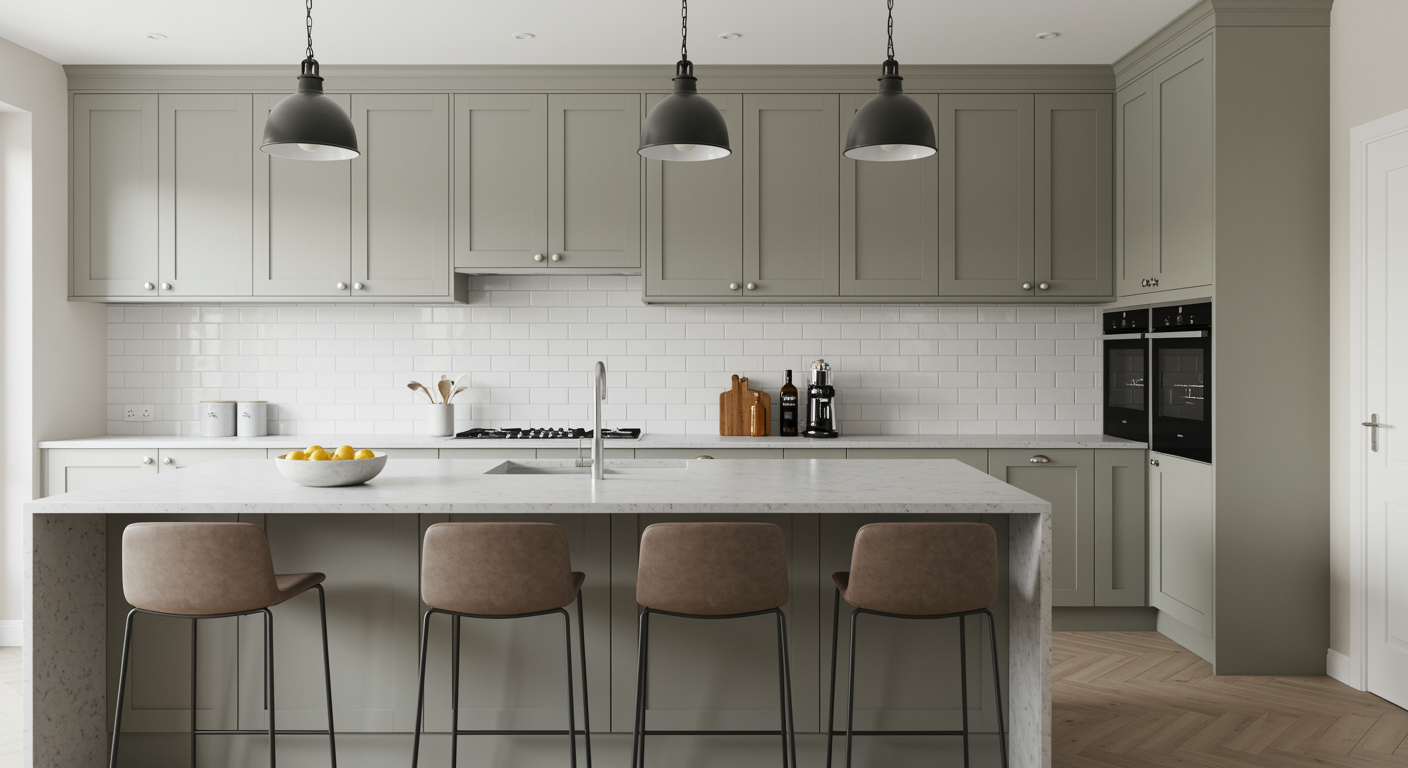
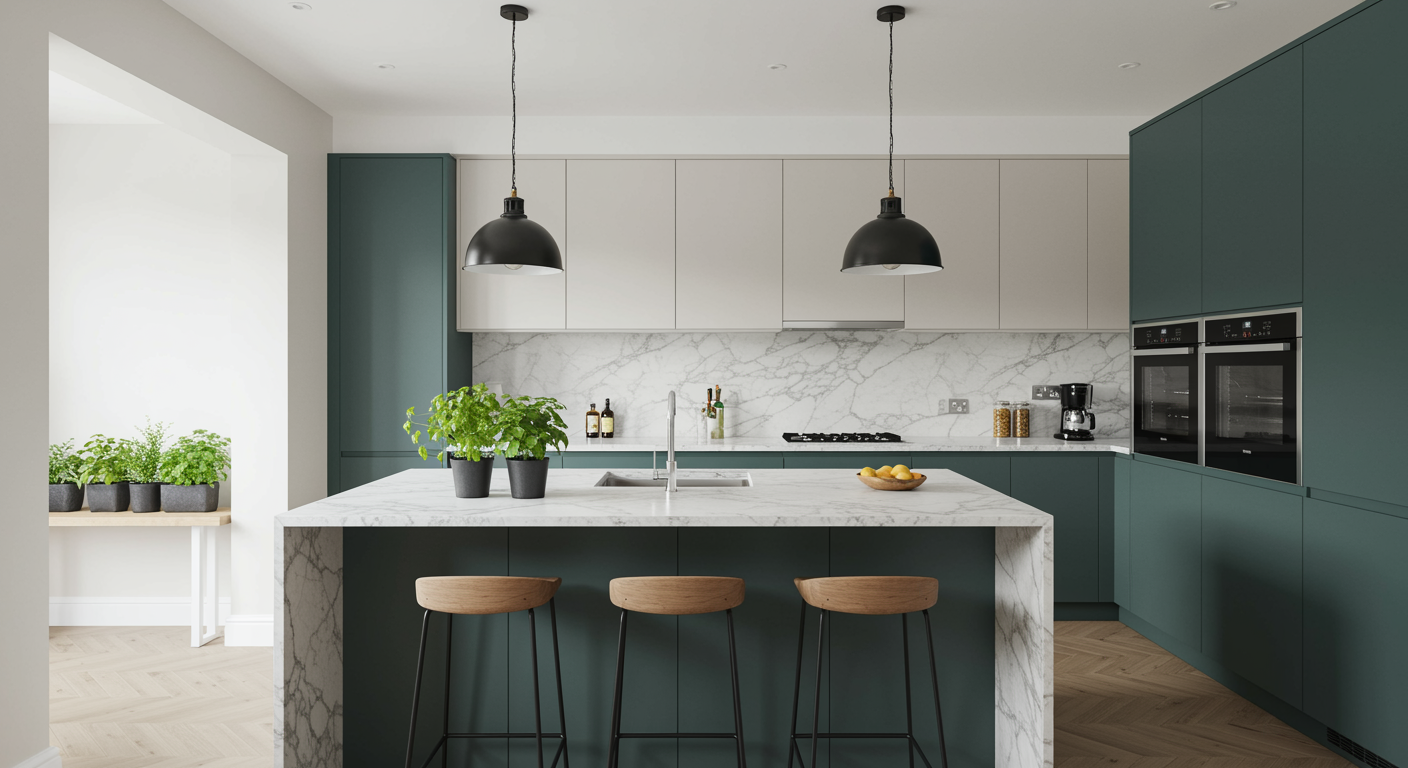
Emphasising that cabinetry is a unique architectural element rather than simply a storage tool, the cabinetry handbook stresses that design and aesthetics are at its visual heart. One of the most important elements is design coherence, which makes sure cabinets fit the overall style whether flat-panel doors for modern simplicity, transitional shaker forms, or elegant traditional ornamentation.
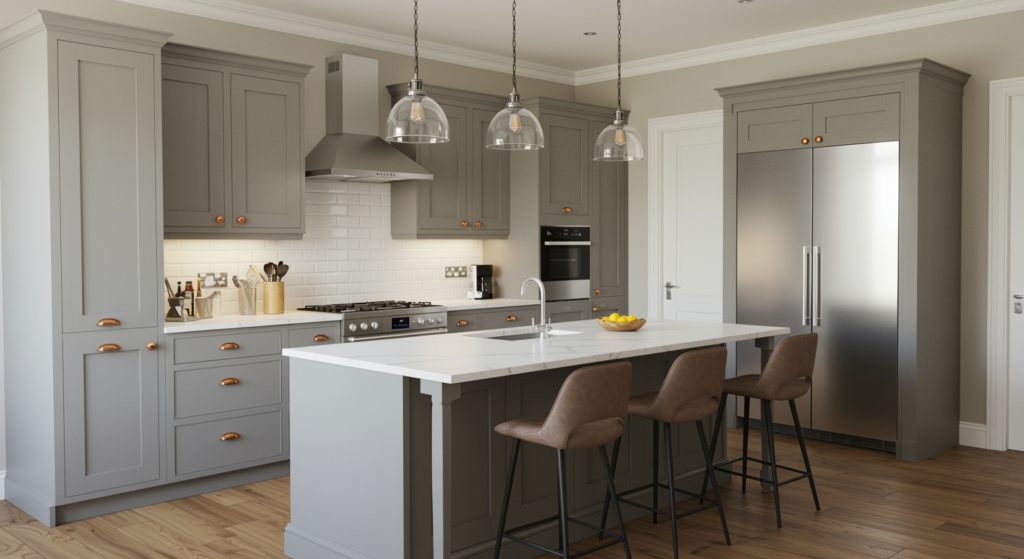
Visual harmony is attained in well-balanced cabinet heights, symmetrical plans, and accurate spacing; proportion and size are equally important. This also prevents a room looking congested or uneven. Colour selection affects mood and spatial impact by rich, dark wood tones warming and depth greatly from light neutrals enlarging small kitchens.
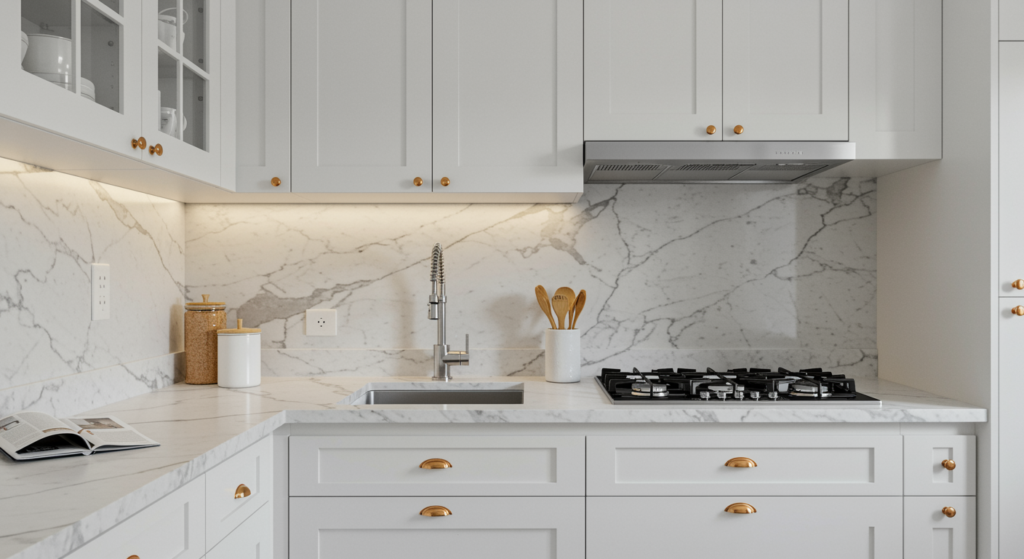
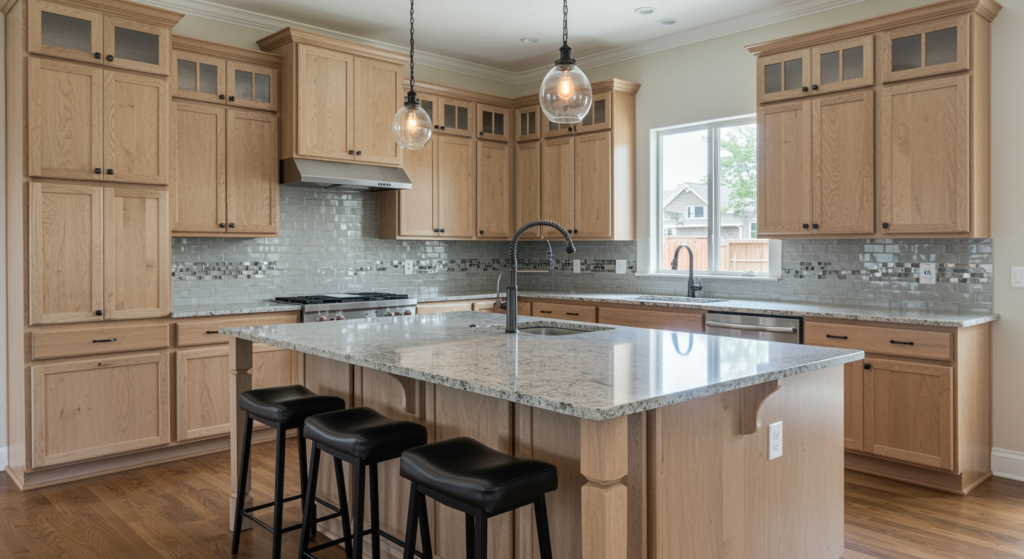
Character and tactile experience come from matte, glossy, textured laminates, natural veneer, or painted surfaces. Even if they improve function, hardware options such refined bar pulls, classic knobs, or integrated handles softly influence the whole design language. Glass inserts, open shelf decorating, crown mouldings, or opposing island cabinets can deepen and add dimensionality to the room without overpowering it. Under-cabinet LEDs or inside closet lighting are examples of visual appeal enhancement via surroundings and materials.
Good cabinet design guarantees that utility does not suffer from aesthetics by combining beauty with purpose. Cabinets turn into a single, classic element that elevates the whole living space by carefully combining proportion, colour, materials, and finishing touches — remaining relevant and fascinating over generations.
The Cabinetry Handbook 2: Functionality & Ergonomics
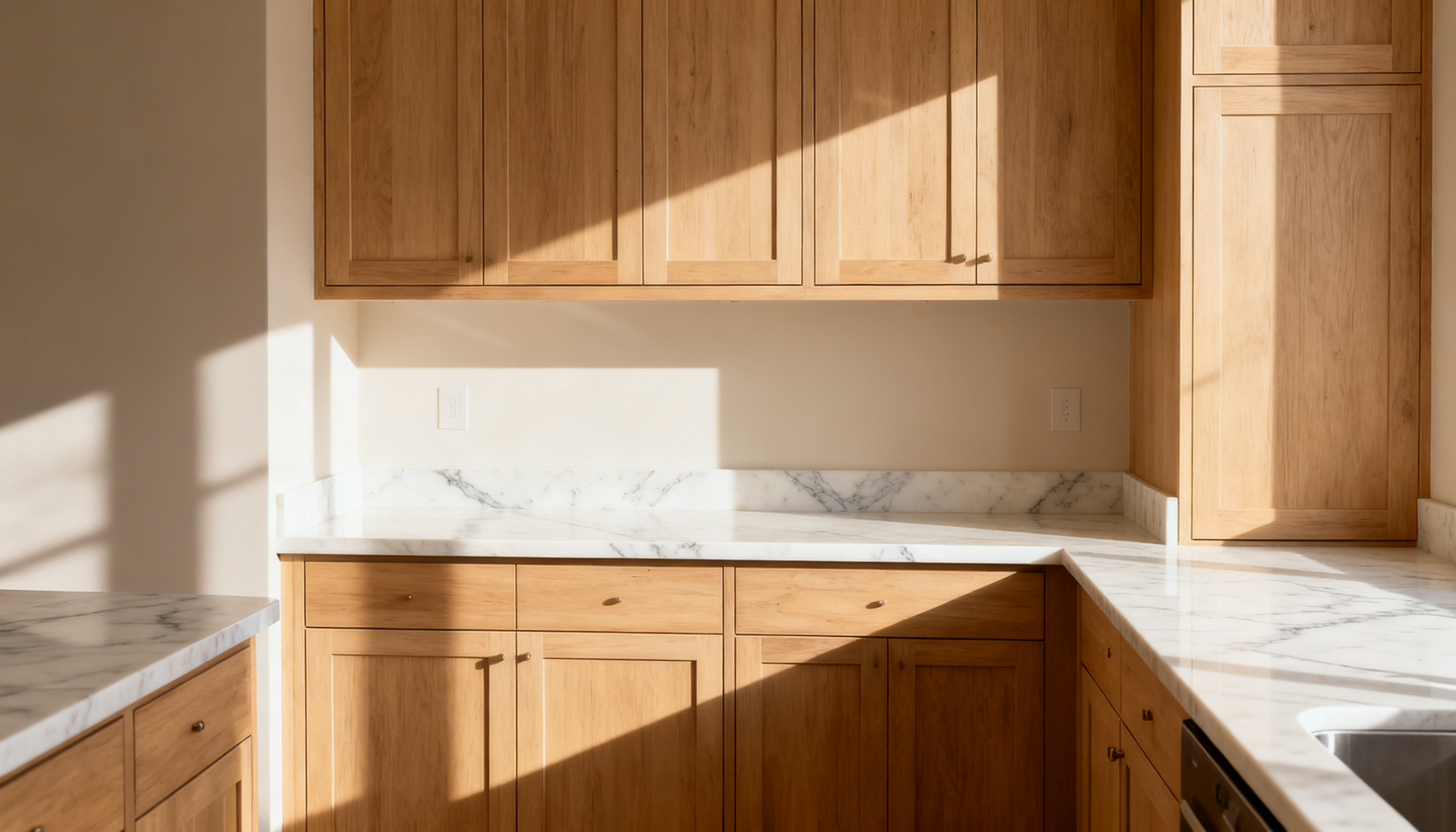
The underlying framework of the cabinetry handbook guarantees that cabinets provide comfort and efficiency in daily life since function and ergonomics are included. Functional cabinets which arrange storage spaces together with patterns of movement so that motion seems natural rather than constrained begins deliberate layout planning.
Placing kitchen cabinets near preparation, cooking, and cleaning zones lowers weariness and reduces needless walking, for example. To avoid tilting, stretching, or overreaching, cabinets should correspond to comfortable reach ranges; ergonomic elements including counter height, drawer depth, and shelf position are also quite important.
Using intelligent storage solutions like pull-out shelves, deep drawers for pots, vertical dividers for trays, corner carousel systems, and built-in organisers maximises usable space while keeping products visible and accessible. Apart from enhancing user convenience, soft-close hinges and smooth-glide drawer slides help to reduce noise and wear with time. Accessibility is another crucial consideration as elements like handleless push-to-open systems or lowered pull-down shelves meet customers of different talents and ages.
By means of little design choices, built-in cupboards or toe-kick drawers enable a more fluid experience by means of concealed storage. Eventually, ergonomics and functionality convert fixed storage cabinets into responsive systems that meet clients’ demands for cuisine, cleaning, organising, and lifestyle — proving that in real-world situations, aesthetically pleasing design must always be practical.
The Cabinetry Handbook 3: Materials & Construction
Premium cabinets are built on materials and workmanship, which directly affect their life span, performance, and general visual appeal. Choosing the appropriate core material — solid wood, plywood, MDF, or particleboard that is paramount as each has particular strengths and drawbacks on strength, moisture resistance, and price.
Solid wood has organic beauty and long life even though plywood offers stability and reasonable cost; it can warp in moist conditions. Medium-density fibreboard (MDF) and particleboard are occasionally utilised on small projects or painted surfaces despite their lack of long-run durability like that of more expensive options. Even if more primitive fixed connections can compromise sturdiness, superior joinery techniques like dove- tail, mortise-and-tenon, and dowel joints improve structural integrity.
These also help to avoid sagging or separation over time; therefore, the construction method is likewise rather important. The panel thickness as well as the support thickness determine the prevention of bowing and confidence of doors and drawers running smoothly over years of use. Beyond defending cabinets from humidity, impacts, and daily use, edge banding, reinforcing, and expert finishing enhance their attractiveness and generate a sleek, polished look.
Choosing hardware — hinges, drawer slides, and soft-close mechanisms also impacts longevity and functionality; high-quality materials resist wear and guarantee constant operation. Cabinets designed to withstand daily use are beautiful, structurally sound, and reflect the balance of aesthetics, utility, and longevity stressed throughout the book thanks to intentionally chosen materials and accurate construction techniques.
The Cabinetry Handbook 4: Durability & Longevity
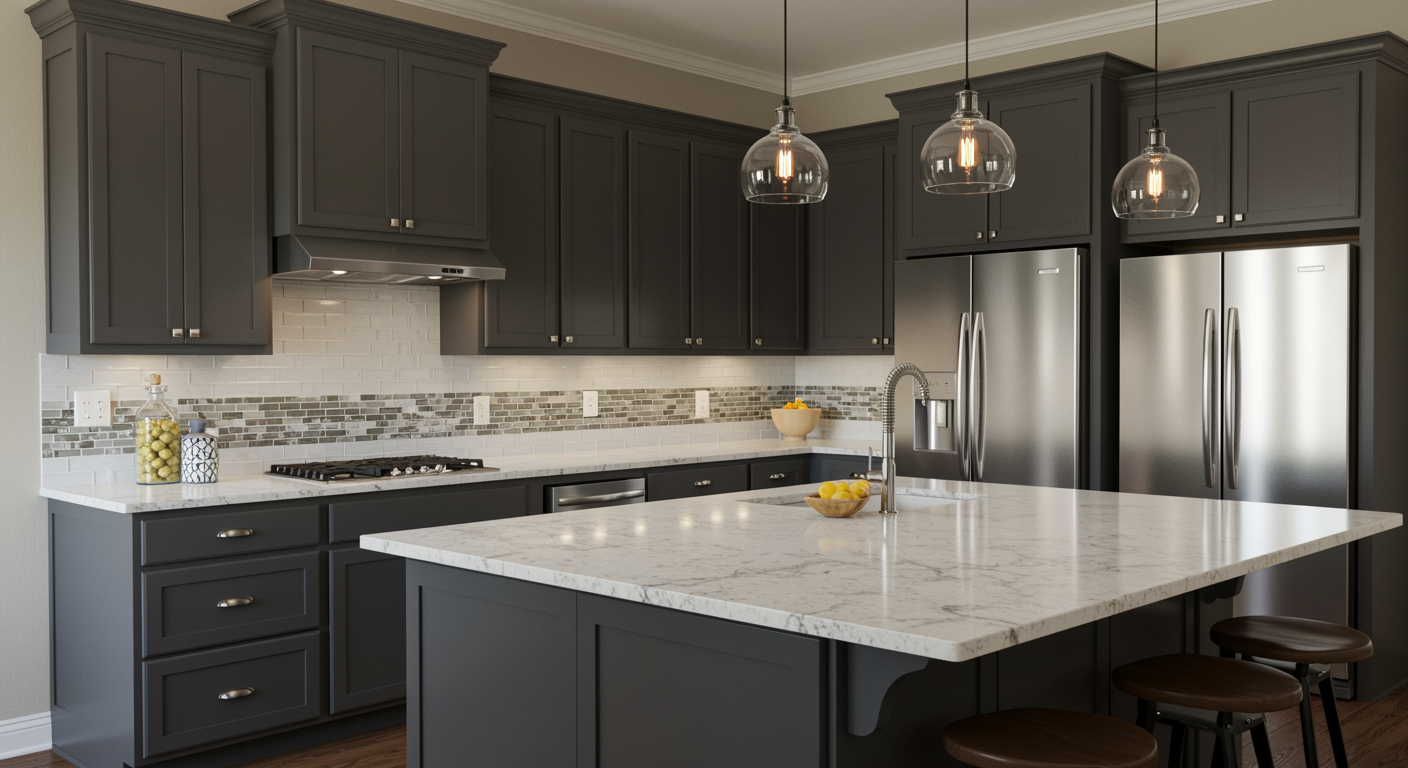
Following fundamental principles of longevity and endurance, cabinets should be aesthetically pleasing as well as be tough and stand daily usage.
Solid wood, premium plywood, MDF, or engineered boards — each with several benefits and drawbacks concerning weight support, water resistance, and warpage vulnerability—the purposeful selection of materials determines cabinet lifetimes. Robust joinery methods such dovetailed joints, mortise and tenons, and reinforced borders enhance structural stability therefore guaranteeing that shelves, doors, and drawers maintain their alignment and performance over years of daily use.
By reducing wear and tear from constant mobility and therefore avoiding mechanical failures, hardware choices such soft-close hinges, robust drawer slides, and corrosion-resistant handles immediately impact cabinet lifetime. Still another layer of protection is offered by surface treatments and coatings, hence they are quite important in demanding areas like kitchens and restrooms: preventing stains, fading, and moisture infiltration. Keeping a cabinet built for infrequent restoration and easy cleaning is as important as it can greatly increase its usable lifespan.
Further ensuring the stability and aesthetic of the cabinets are environmental elements like humidity resistance, temperature variations, and solar exposure. By giving premium materials, professional construction, and robust finishes top priority, homeowners may invest in cabinets that not only allow daily chores effectively but also retain their beauty and structural stability for years, hence providing both practical utility and ongoing pleasure.
The Cabinetry Handbook 5: Installation & Fit
Cabinets spanning the divide between design intent and actual performance rely on correct installation and fit, hence guaranteeing flawlessly created items function as planned. Precise installation is emphasised as a major element in both visual harmony and practical use.
Proper planning and measurement begin on the ground level via thorough evaluation of ceiling height, floor level, and wall straightness, thereby avoiding gaps or misalignments. From cooktops and sinks to refrigerators and ovens, cabinets have to coordinate perfectly with devices and fittings so that every component matches without upsetting ergonomics or flow of work. Accurate levelling and alignment of base and wall cabinets ensure doors close exactly and drawers run smoothly; meanwhile, tolerances for expansion and contraction brought on by humidity or temperature fluctuations prevent long-term warping or sticking.
Using specific techniques such shimming, scribing, and secure anchoring into studs increases stability and lifespan hence allowing heavy loads free of sagging or loosening over time. Perfect hardware location, edge alignment, and even gaps increase user experience and aesthetic attractiveness among other finishing touches. Installation mistakes might risk even the finest materials and magnificent design, therefore causing resentment, compromised performance, perhaps safety issues.
Good installation and fit turn ideas into cabinets that are functional, long-lasting, and aesthetically pleasing; so, they provide rooms that are not just beautiful but also sturdy, easy to use, and tailored with the final goal of striking design, practicality, and durability.