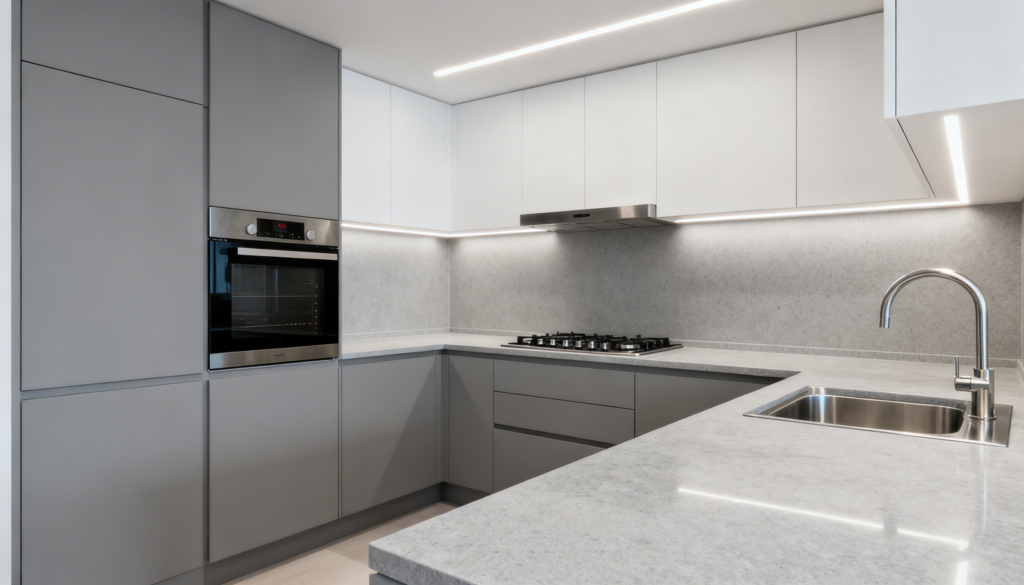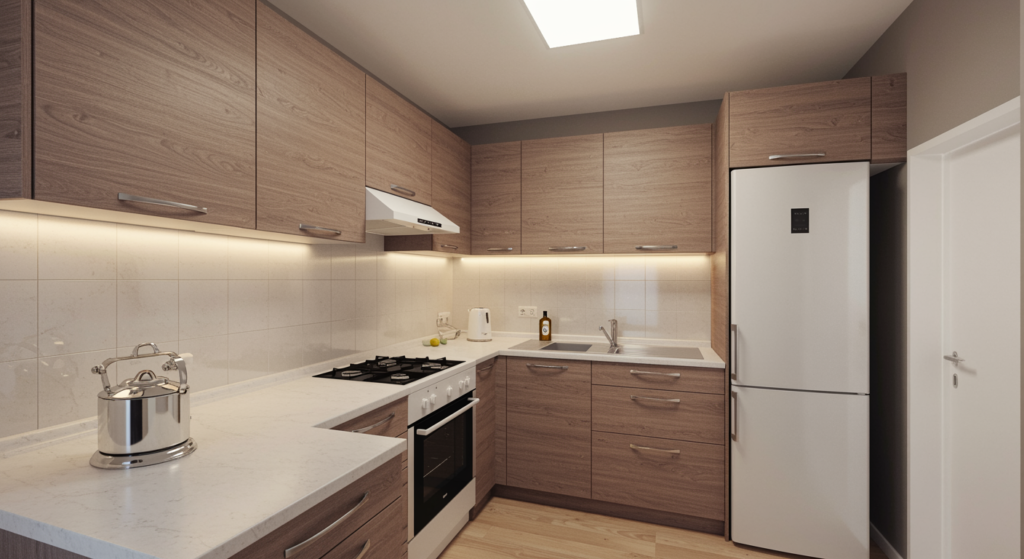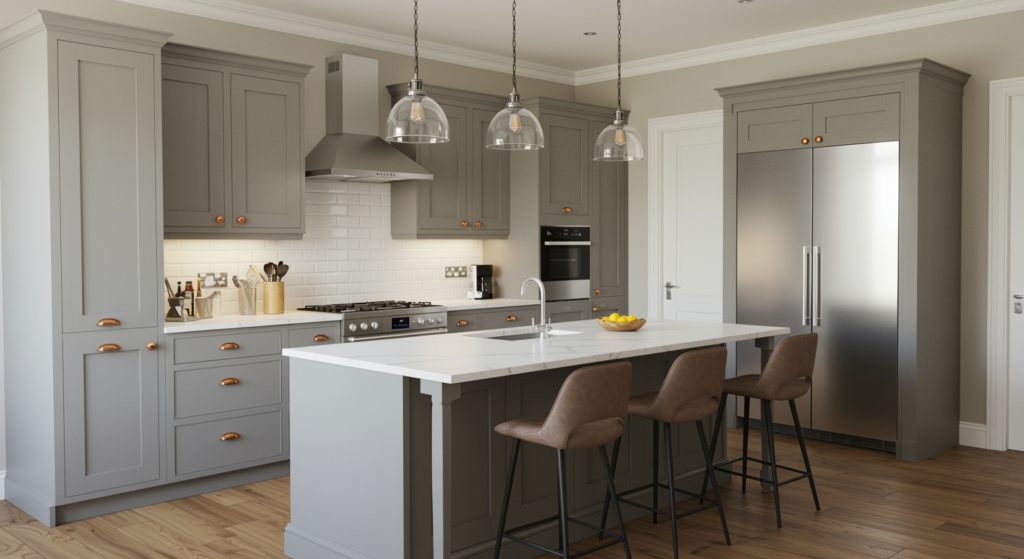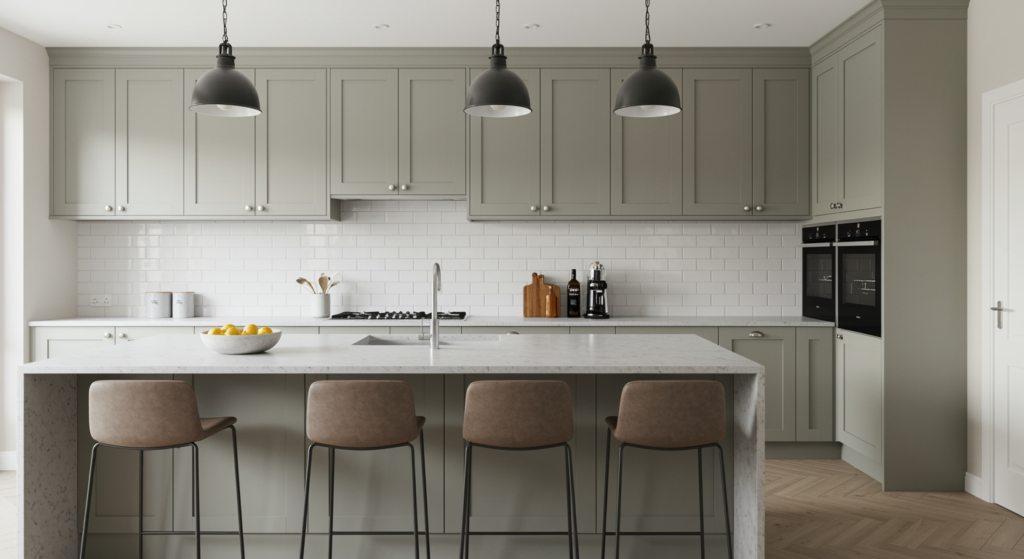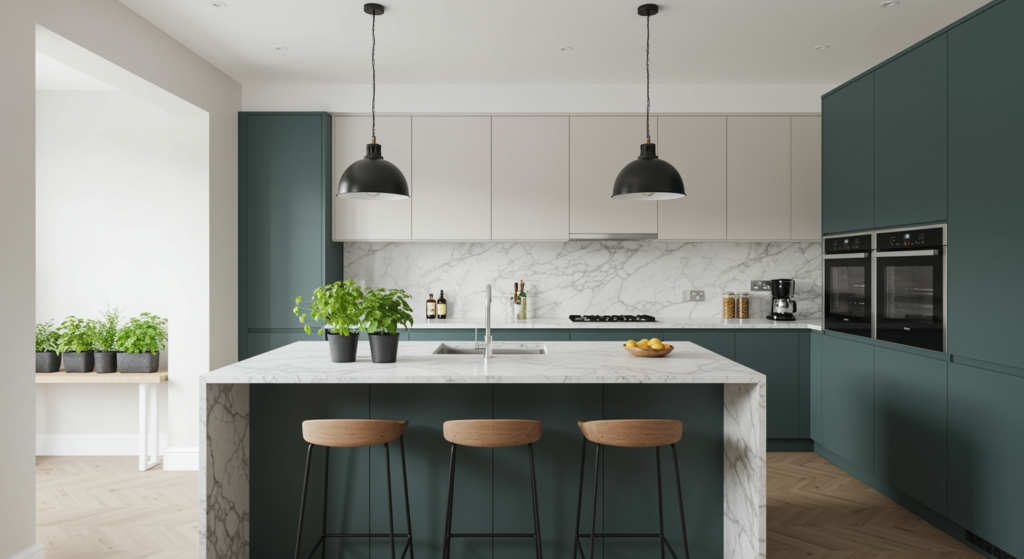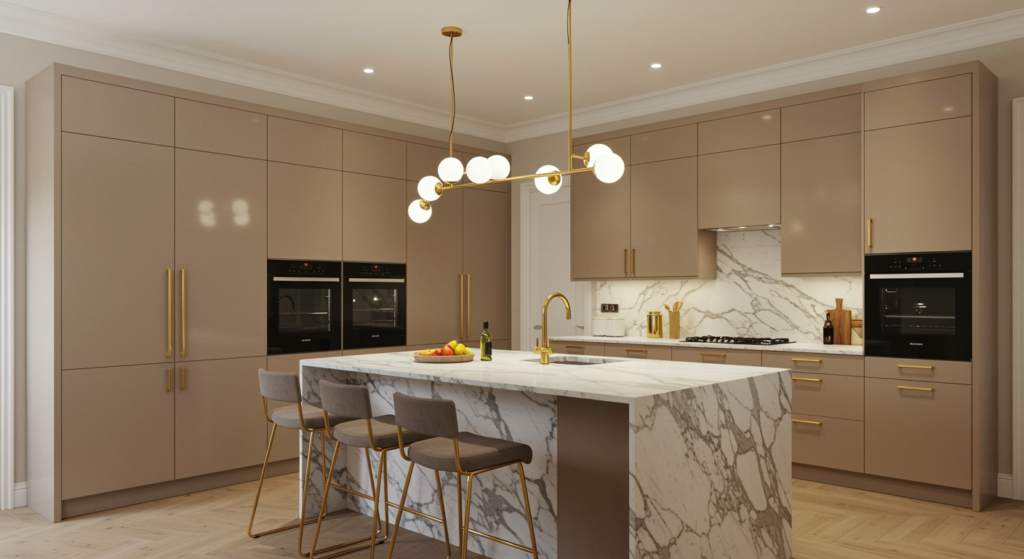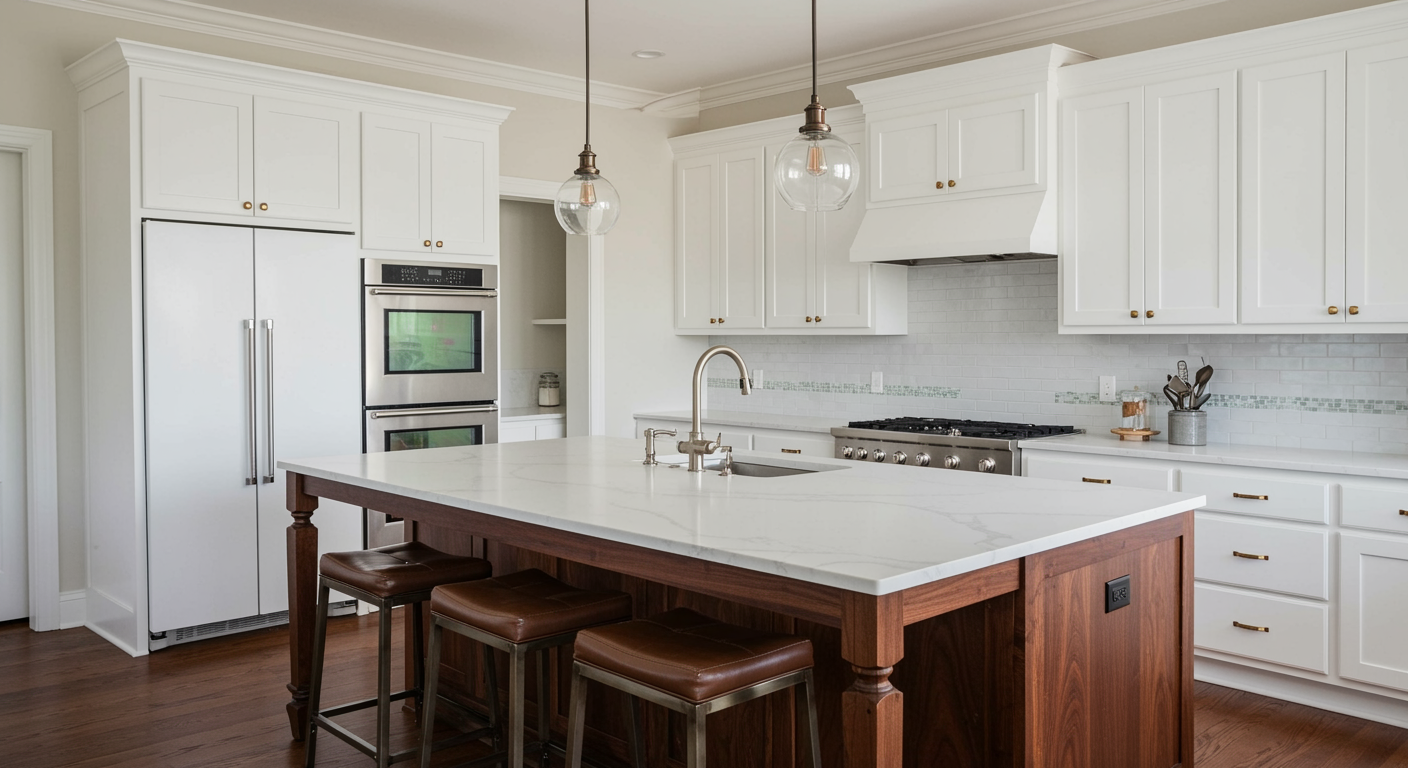
Value added kitchens emphasise long-run savings by using strong materials, energy-efficient equipment, and adaptable floor plans that evolve with your lifestyle. Future-proofing guarantees less upkeep costs, fewer renovations, and a kitchen that stays functional and elegant for years. Homeowners shield both their bank and property worth over time by prudent initial investing.
Value Added Kitchens 1: Durable Materials
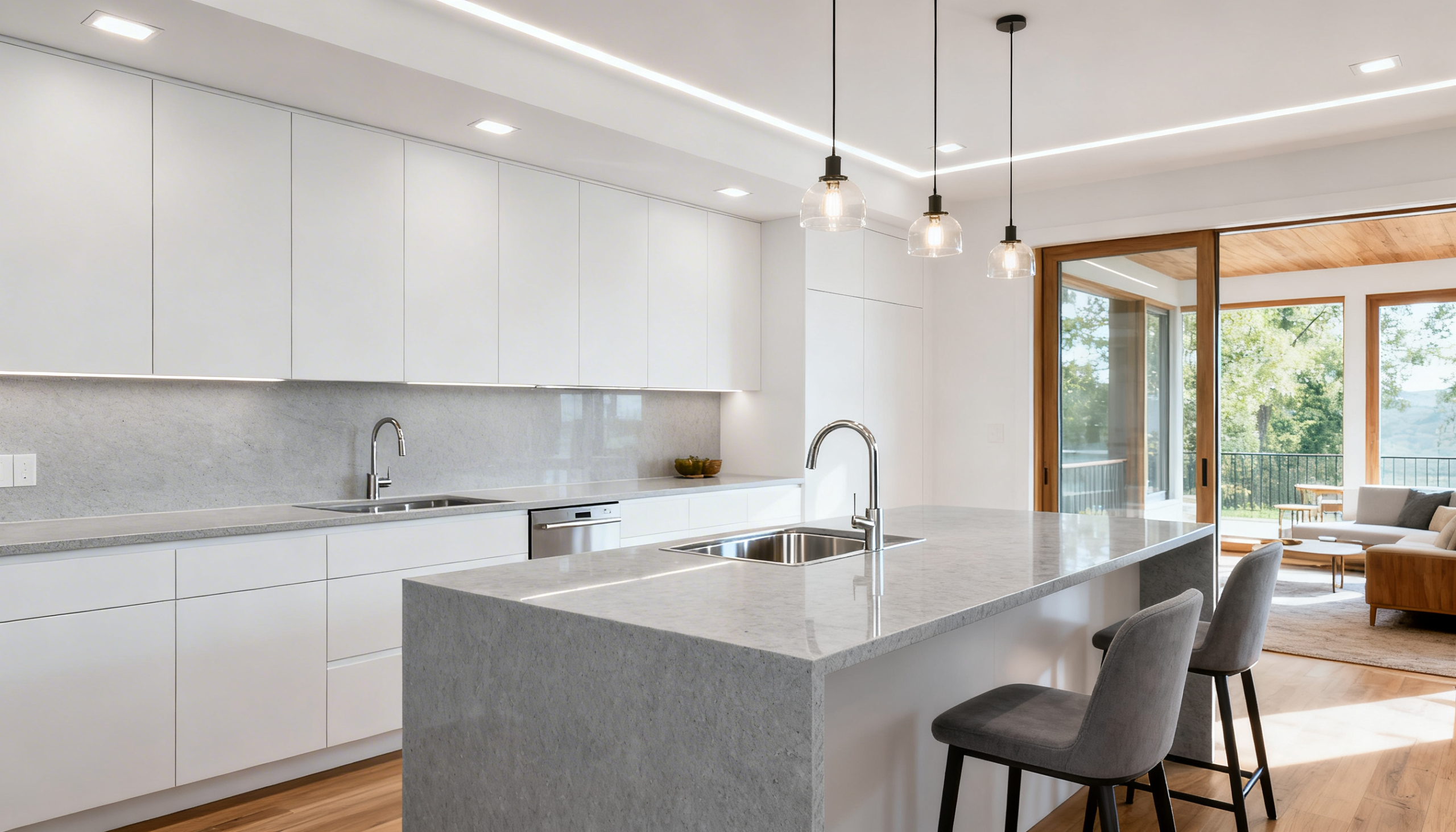
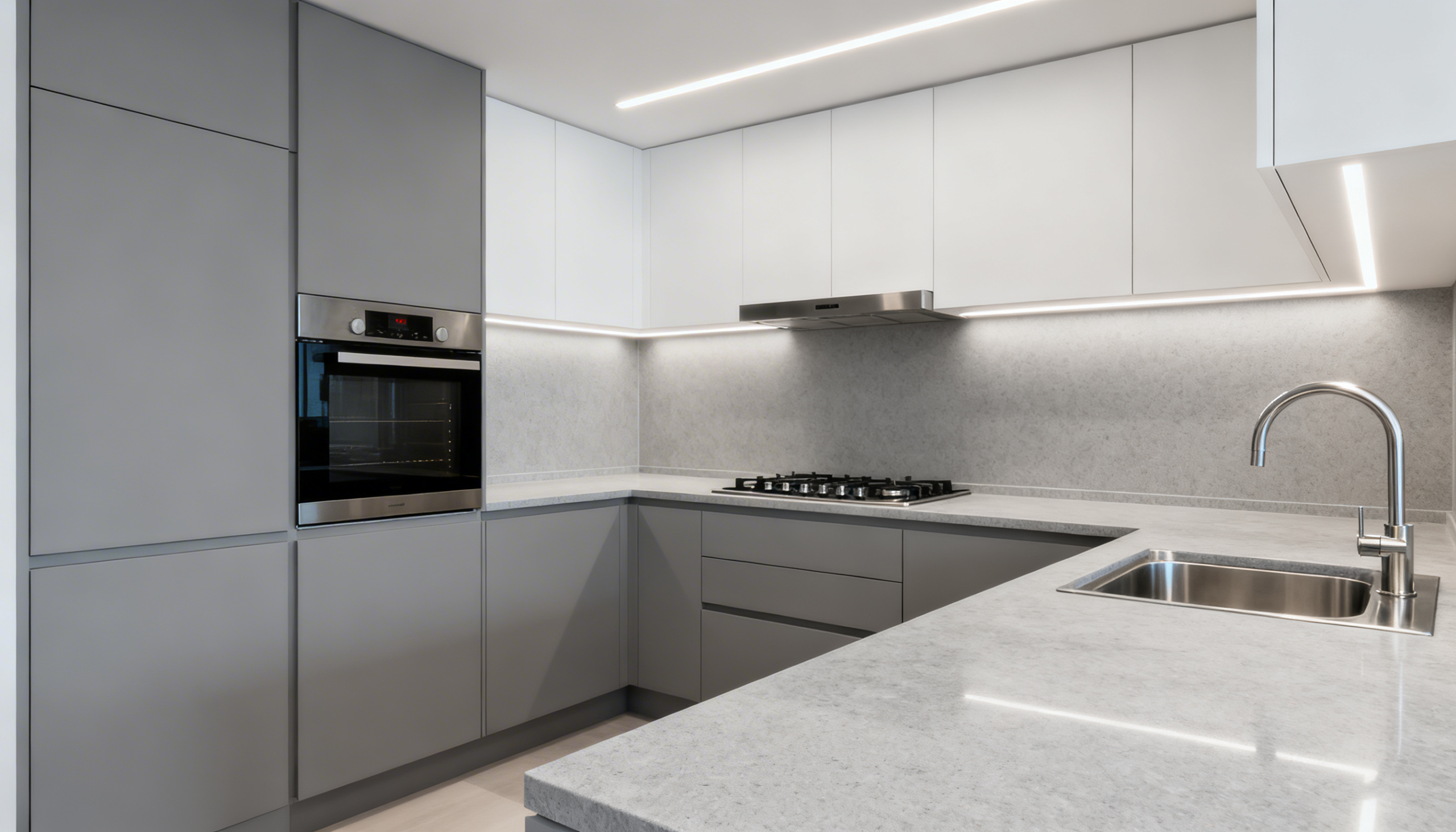
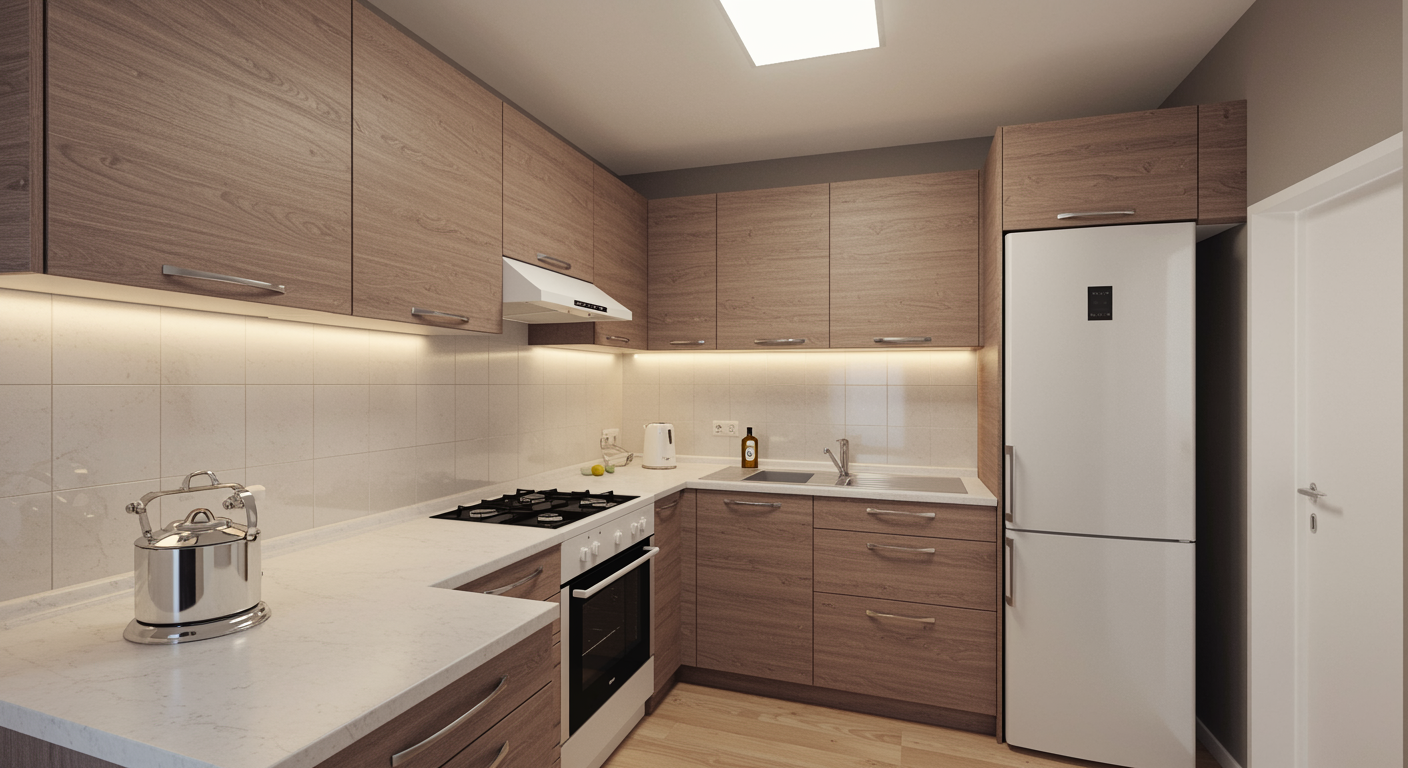
Using strong materials that provide a practical and cost-effective investment is among the most important components of a value-added, future-proof kitchen. Good surfaces like quartz, granite, or engineered stone countertops provide great scratch, stain, and heat resistance, hence preserving the beauty of the kitchen even under daily use and punishment.
Similarly, solid-core or marine-grade plywood cabinets resist moisture, warping, and heavy traffic far better than less expensive options, therefore cutting down on repair or replacement demands. Selecting difficult flooring options like porcelain tiles, vinyl planks, or treated wood helps to reduce maintenance expenditures and improve the general stability of the area.
Apart from usefulness, robust materials increase the marketability of the kitchen. First costs get more economical over time as prospective buyers are prepared to pay more for areas devoid of upkeep and with ageless quality. Choosing long-lasting materials guarantees the kitchen stays stylish for years and fits contemporary and expanding design trends without major changes. Future-proofing with strong materials helps to reduce waste and environmental effects of regular modifications, hence indirectly supporting sustainability.
By putting longevity first, homeowners build a kitchen that can not only resist daily use but also provide verified financial savings over time, therefore justifying the theory that wise, long-term approach is investing well in home design up front.
Value Added Kitchens 2: Flexible Layouts
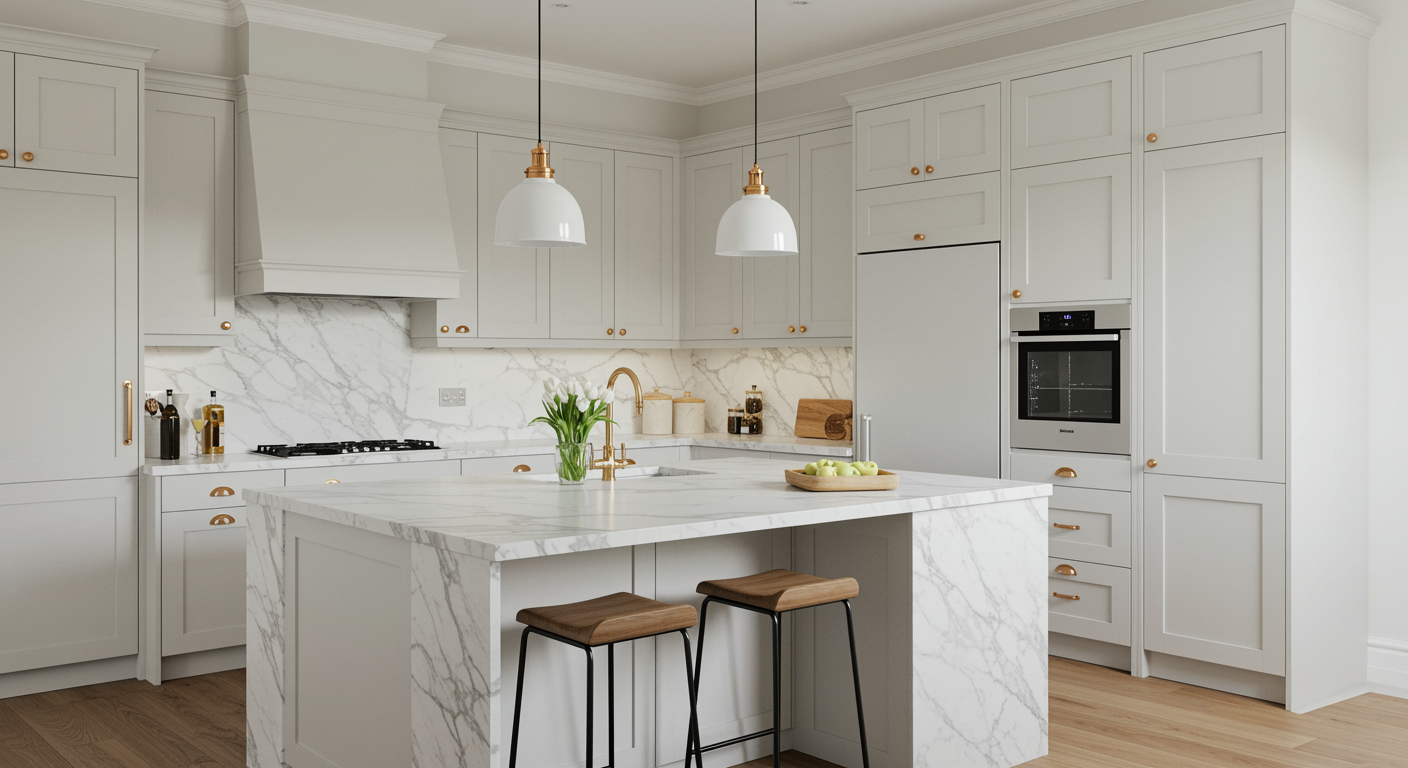
One of the most crucial elements of a value-added kitchen, a flexible design promotes future-proofing and long-term savings straight. Flexible kitchens are designed to fit shifting lifestyles, family sizes, and culinary tastes, therefore lowering the need for expensive maintenance over time as opposed to fixed, rigid layouts.
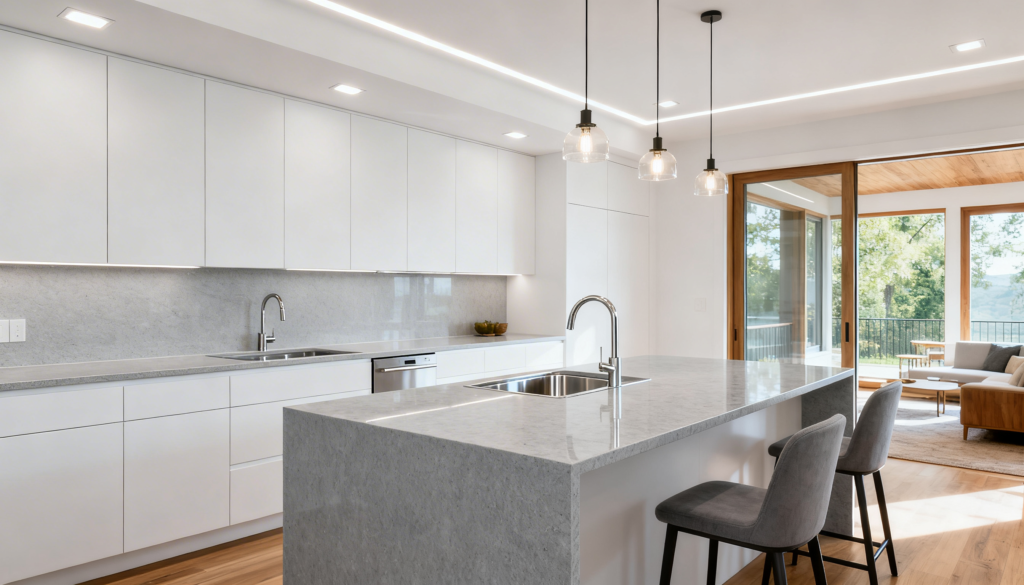
Modular cabinets, mobile islands, and adjustable shelves let homeowners swiftly rearrange their kitchen areas for new appliances, larger parties, or changing food tastes. Open-plan design with adjustable furniture improves accessibility, therefore providing the area more usable and spacious visual appeal. Flexible designs also enable the kitchen to remain modern in a rapidly changing industry by further enabling smooth integration of modern technologies including smart ovens, induction cooktops, and automatic storage systems.
Furthermore aiding them in enhancing access for those of many ages and capacities are pull-out cabinets and variable counter heights. By foreseeing future needs, reducing the cost and frequency of repairs, a well designed flexible kitchen turns what is occasionally a costly investment into a long-run financial savings plan.
Aside from financial advantages, adaptable plans improve everyday convenience by letting for a flawless workflow, improved organisation, and a more comfortable cooking environment. Investing in a flexible kitchen ensures that the area keeps value both figuratively and commercially for years to come and maximises functionality as well.
Value Added Kitchens 3: Universal Design
Universal design provides a systematic way to maximise long-run value by means of better usability and builds future-proof kitchens. Kitchens become more flexible and versatile as attention on accessibility for individuals of all ages and capabilities helps to lower the need for expensive fixes as household needs change.
Pull-out cupboards, height-adjustable counters, and simple storage improve the ergonomics and productivity of daily tasks for elderly individuals or those with limited mobility and busy households. Catering also to those with mobility issues, therefore. Wide, obstacle-free paths, touch less taps, and lever-style handles improve comfort and safety while reducing accident risk and stress. Universal design greatly improves a home’s resale value in addition to concrete advantages.
Designing a kitchen with accessibility in mind shows foresight and deliberate spending as customers increasingly choose homes combining design and practical use. Including universal design does not mean forsaking flair; contemporary kitchens can easily combine materials, understated minimalism, and practical innovations without sacrificing aesthetic appeal. Homeowners save money over time by avoiding reactive repairs and costly repairs by improving the flexibility in their strategy.
Essentially, universal design in kitchens demonstrates the concept of value-added investment: creating a space that will stay aesthetically pleasing, secure, and useful for years while also generating actual profit from more property value and usefulness. Wise, sensible life requires access and foresight in the kitchen of tomorrow; they are not only options.
Value Added Kitchens 4: Resale Value
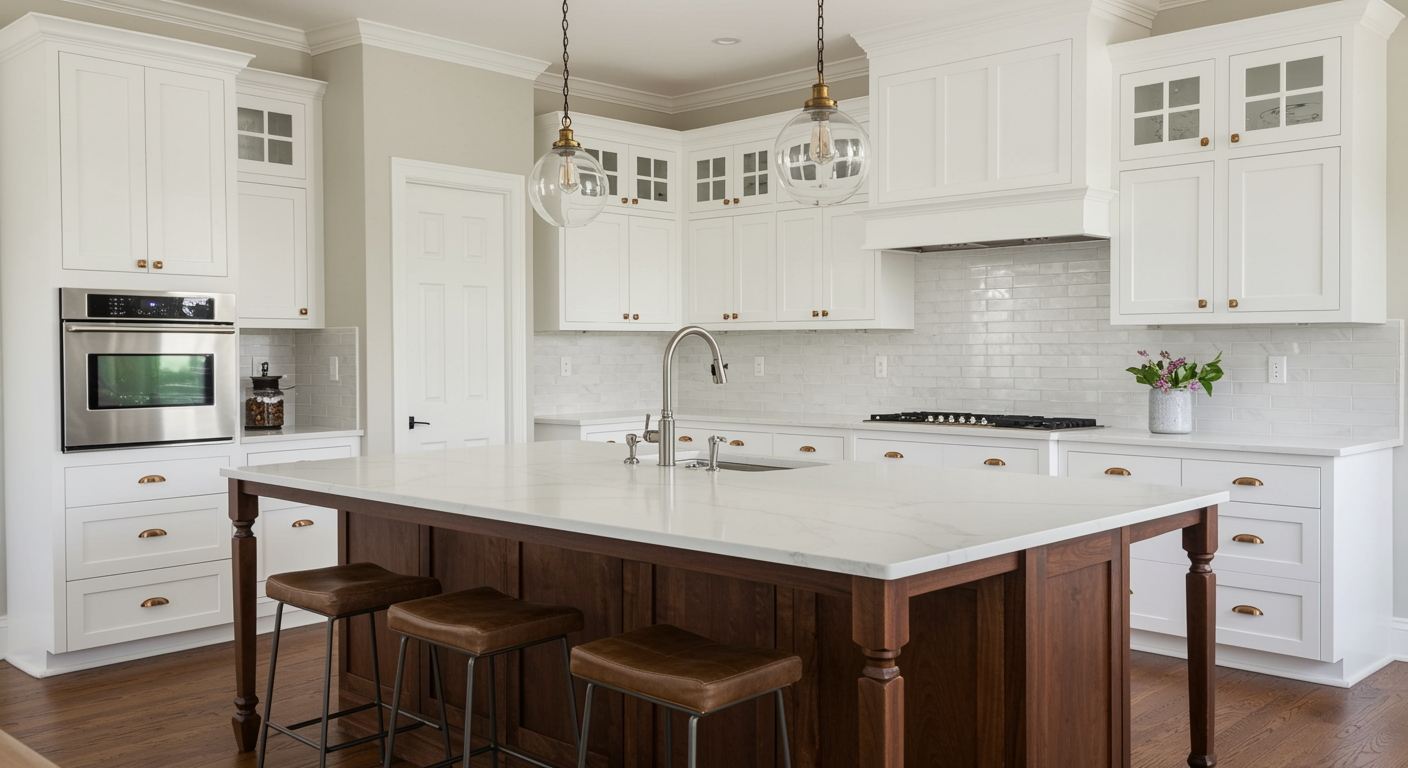
The influence it has on resale value is among the most convincing reasons to buy a value-added, future-proof kitchen. Becoming a major selling point for prospective buyers, a purposely built kitchen will considerably improve the marketability of a home.
Contemporary, pragmatic, and long-lasting kitchens are often sought after, since they sometimes command higher prices and faster sales than houses with dated or improperly constructed spaces. By including high-end components such as solid-core cabinets, quartz counters, and scratch-resistant flooring, homeowners guarantee the lifetime and attractiveness of their kitchen throughout decades, hence lowering the demand for expensive maintenance before a sale.
A flexible design that accommodates changing lifestyles is just as crucial: movable islands, adjustable shelves, and modular cupboards let customers picture the kitchen fitting their particular demands, hence increasing its valued value. Offering real savings and modern convenience that appeals to modern customers, smart home systems and energy-efficient appliances improve appeal even more. Care, practicality, and sustainability — qualities for which customers are prepared to pay a premium are conveyed via little details like carefully selected lighting, ergonomic design, and eco-friendly coatings.
In the real estate market, a future-proof kitchen is fundamentally a financial move past daily convenience and a strategic asset. Homeowners who give first priority durability, adaptability, and design not only enjoy quick rewards but also guarantee long-term financial gain, so transforming their kitchen into a smart, money-saving element that elevates the general value and appeal of their house.
Value Added Kitchens 5: Sustainable Choices
Among the most vital parts of value-added kitchens, sustainable choices provide both long-term financial advantages and environmental obligation. Selecting bamboo cabinets, recycled glass countertops, or low-VOC paints guarantees durability and minimises environmental impact by means of sustainable materials.
Less wear resistance and lower maintenance requirements of these materials help to reduce later replacement expenditures. Low-flow taps for dual-flush toilets and attached kitchens drastically lower energy expenses, hence improving the cost-benefit analysis of the kitchen. Smart refrigerators to induction cooktops not only reduce energy usage but also satisfy current environmental requirements, therefore maintaining the relevance and allure of the kitchen in the market.
Moreover, sustainable design ideas like maximising natural light by well-placed windows or skylights and including passive ventilation systems also help by lowering reliance on artificial lighting and air conditioning thereby providing both environmental and economic benefits. Therefore, by searching for recycled and sustainably sourced materials for counters, cabinets, and flooring, eco-conscious customers increase the resale worth of the kitchen.
Emphasising sustainability in a kitchen best summarises ultimately future-proofing as it mixes aesthetic appeal, utility, and long-run cost benefits. By investing in energy-efficient, long-lasting, ecologically friendly materials and systems, homeowners build a house that solves current demands and future problems, so making sustainable decisions among the most sensible methods of protecting their financial investment and the earth.