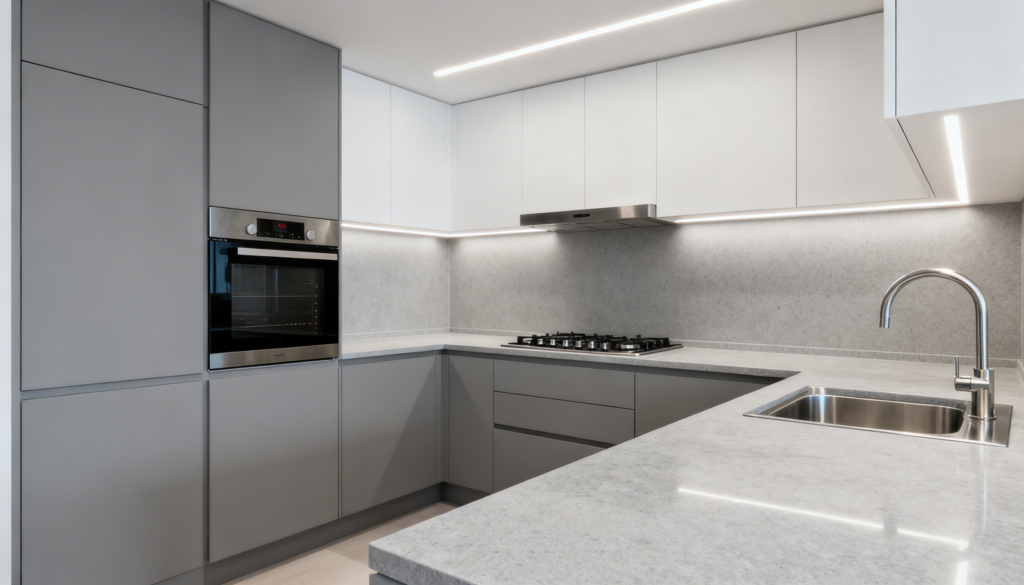
Countertop seam stress can turn even the most opulent slab into a visual and structural danger. Cracks, stains, and long-term wear that undermine both beauty and strength result from mismatched or high-traffic seams. Thoughtful seam location keeps the elegant appearance of your countertop and safeguards your investment for a perfect finish.
Countertop Seam Stress To Be Weary Of
1. Structural Integrity and Stress Points
Structural integrity is one of the most important factors for premium countertop slabs like granite, quartz, or marble, and badly positioned seams can seriously degrade it. Regarding weight-bearing and tension resistance, every slab has natural limitations; a seam falling in a high-stress area like near a corner, under a sink, or along the edge of cabinets can soon become a weak point.
Small cracks can form and spread over time if there are even little changes in the underlying cabinets, unequal support, or the routine effect of everyday kitchen usage that transfers pressure straight to the seam. Unlike solid, continuous surfaces, joints are naturally more vulnerable as the adhesive and mechanical bonding cannot completely mimic the strength of the slab itself.
When slabs are heavy or overhangs are not correctly supported, this vulnerability worsens as gravity applies persistent pressure on these points. Furthermore testing the endurance of the connection, temperature swings such as hot pots near seams can cause expansion and shrinking. For those investing in high-end materials, one badly positioned seam can decrease the countertop’s visual appeal as well as its functional lifespan.
Professional installers sometimes stress the need of carefully planning seam location to reduce stress exposure using cabinet designs, natural slab patterns, and expected usage zones. While proper support and judicious adhesive application are critical, even the greatest installation cannot fully replace a seam that descends in a structurally unstable site, hence the choice of position is as important as the slab itself.
2. Visual Disruption Within The Space
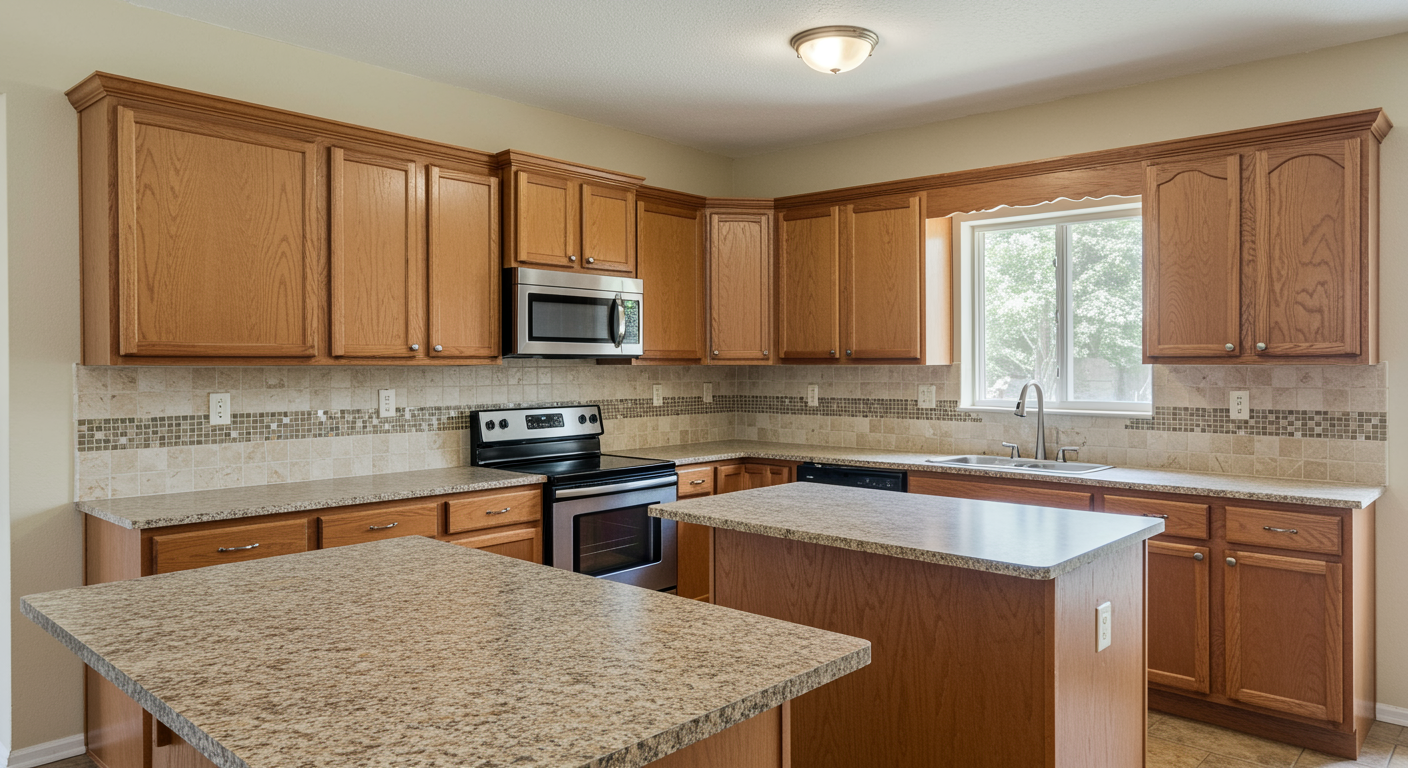
One of the most apparent and quick consequences of wrongly positioned countertop seams is the visual disturbance they produce, which could undermine even the most magnificent luxury high-end slabs. Chosen for their inherent designs, veining, and colour variations that provide a room sophistication and harmony as well as for their lifespan, premium materials include marble, granite, and quartz.
A seam breaks these patterns in a prominent location and leads the spectator away from the intended flow, therefore producing unexpected focus. Regardless of the quality of the slab itself, this might give the counter an uneven or fractured appearance. Misaligned seams can conflict with natural veins, creating unattractive gaps that detract from the grace of the stone.
Particularly striking in kitchens and bathrooms created for visual pleasure, even tiny changes in texture or pattern may seem of shoddy workmanship or disinterest. Countertops are seen from several angles and distances in open-concept spaces; a badly positioned seam may ruin the room’s design and clash with cabinets, backsplashes, or islands.
Furthermore, seams in very visible locations such just below a sink or in the middle of an island become unavoidable focus points, so elevating knowledge of any stress lines, chips, or fractures over time. Designers and manufacturers so stress strategic seam positioning to retain the functional integrity and aesthetic harmony of premium slabs so that every join looks deliberately modest and flawlessly matched with the whole design.
3. Functional Weakness That Can Do More Harm
One of the most pressing issues is the practical fragility brought on by mistakenly placed seams in a pricey countertop. Though quartz, granite, or marble countertop slabs are made to be strong and aesthetically perfect, a badly supported or misplaced joint might compromise this durability.
Seams situated directly over often used surfaces such sinks, cooktops, or cabinet and drawer edges are especially delicate because they endure weight, moisture, vibrations, and heat all year round. These forces will finally strain the adhesive or filler connecting the slabs, resulting in minute cracks that could grow into more big ones. The weak joint may collapse from slight changes in cabinet alignment or ongoing cooking and appliance pressure.
This compromises the countertop’s structural stability in addition to lowering the likelihood of fractures or chips along the seam. Moreover, misplaced seams result in uneven surfaces that could interfere with daily chores including rolling dough, cutting bread, or arranging heavy kitchen gadgets.
Gaps or elevated edges can trap food crumbs, cleaning materials, and water, hence resulting in discolouration, bacteria growth, or greater adhesive breakdown therefore making maintenance more difficult. Poor seam placement turns a strong, expensive surface at last into a weak, high-maintenance one with a functional fault. The lifetime and performance of premium countertops depend on correct installation, thorough preparation, and precise seam placement therefore.
4. Maintenance Challenges Especially Over The Years
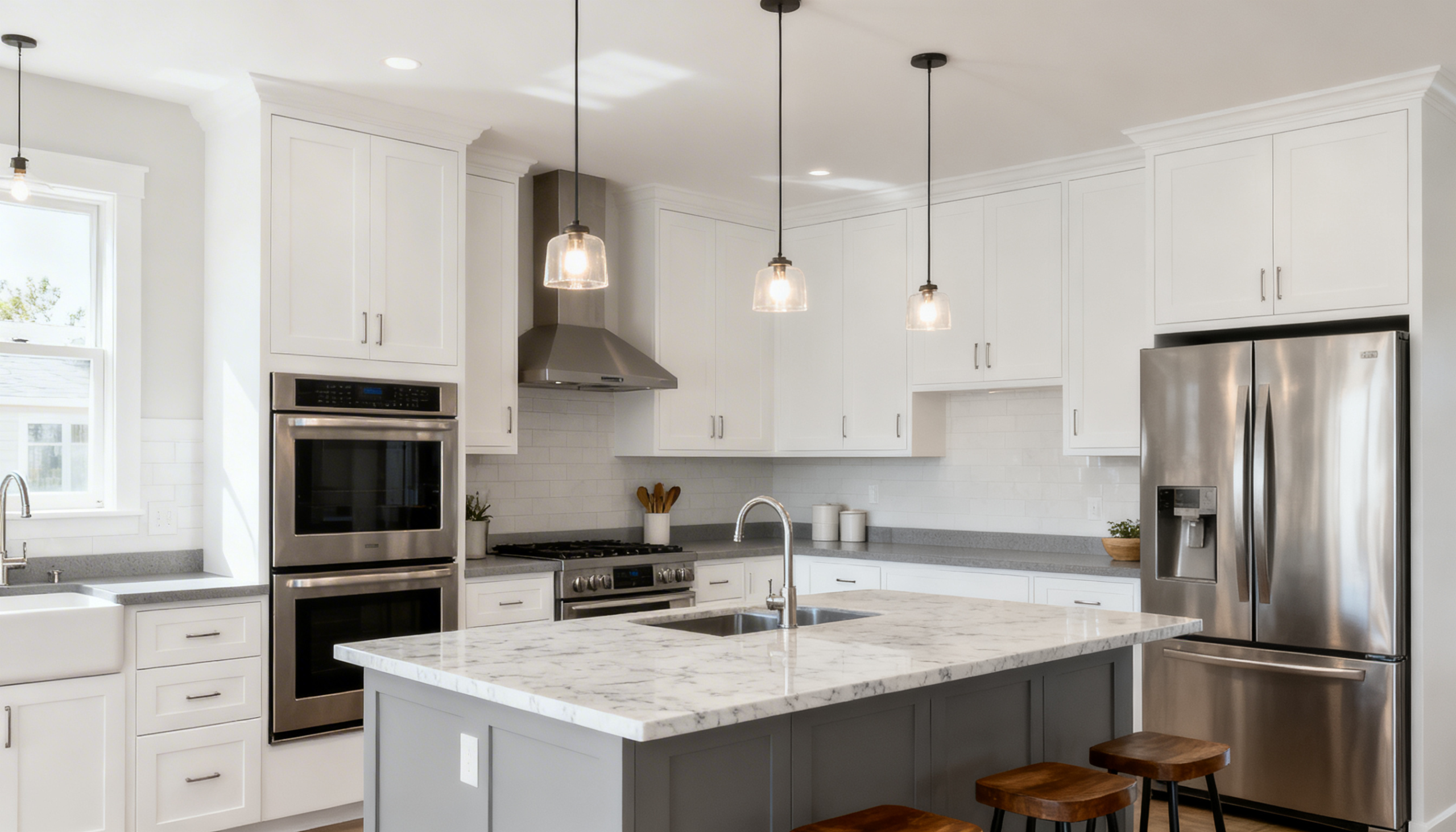
Badly positioned seams produce significant upkeep issues apart from an aesthetic or architectural one that could affect expensive countertops’ lifespan as well as look. Usually utilised preparation surfaces, around cooktops, sinks, or often used harsh or high-use locations, seams often collect food particles, moisture, and debris more easily than in less-damaged stone.
Because adhesives and sealants are always exposed to stress, heat, and perhaps chemical damage from cleaning solutions, even the finest materials such granite, quartz, or marble are in danger at these joints. Staining, staining, or a buildup of grime difficult to remove without expert cleaning techniques over time could result from this.
For homeowners, a seam in the centre of a countertop can obstruct their usual cleaning activities, so necessitating extra attention to ensure no residue accumulates at the junction that could harm the adhesive or create an unpleasant gap. Furthermore, wrong seam placement produces uneven edges that may snag beverages and thus increases the possibility of mould or mildew growth, particularly in wet kitchens.
Poorly constructed seams make even basic chores like cleaning down surfaces or sealing the stone more time-consuming, hence reducing the practical value of the worktop. While premium slabs are valued for their beauty and durability, disregarding seam placement can transform an expensive surface into a maintenance burden, hence stressing the need of thorough planning during installation to ensure both aesthetic and practical integrity are kept.
5. Huge Impact on Resale Value
Regarding upscale kitchen counters, the placement and quality of seams can significantly affect a house’s resale price. Even the most opulent slab whether granite, marble, or quartz loses its attractiveness if joins are improperly placed or show obvious tension.
Homebuyers often intuitively assess quality based on visual continuity; an uneven seam at once indicates hurried or inferior workmanship. Beyond appearance, stressed seams indicating fractures, separation, or discolouration imply possible structural problems, so raising questions about long-term durability. This view might undermine buyer confidence and so influence bids or extend the sales cycle. High-end materials sometimes take centre stage in real estate listings, so kitchens are essential to both the aesthetic and practical attraction of a house.
Not only grabs the eye but also signals maintenance issues — further affecting perceived worth, a seam that interrupts the slab’s natural flow or resides in high-use areas like close sinks, cooktops, or corners. Often emphasising finishes and materials as selling points, real estate agents may claim that a perfect countertop is a feature worthy of a higher price whereas a damaged seam is the opposite. Good seam positioning shows a degree of detail and skill, which calms consumers of the property’s general quality.
Poor join choices, on the other hand, convey shortcuts or carelessness that can devalue even the most costly material. For homeowners spending on premium counters, thinking about both architectural layout and visual seam alignment is absolutely vital not just for daily pleasure but also as a tactical means to protect or increase the resale value of the house.