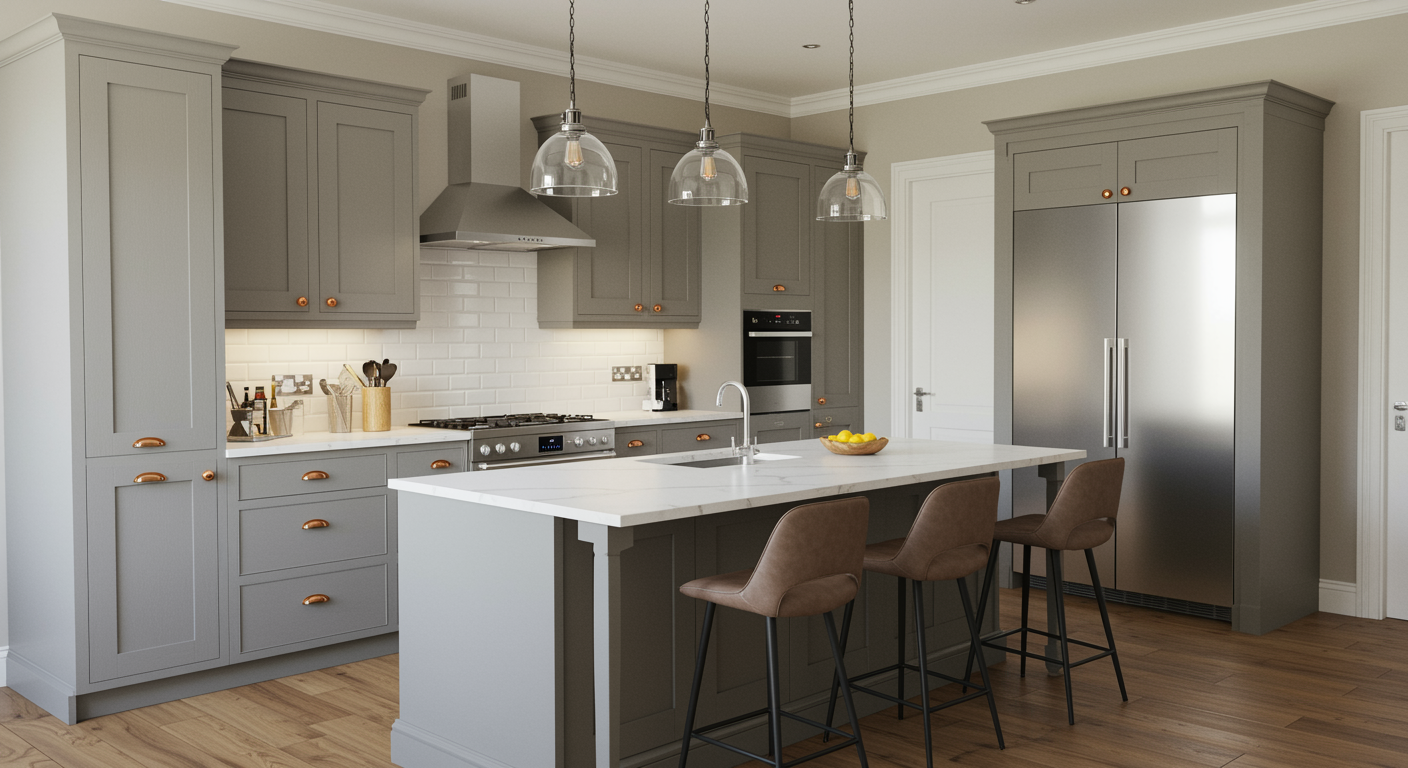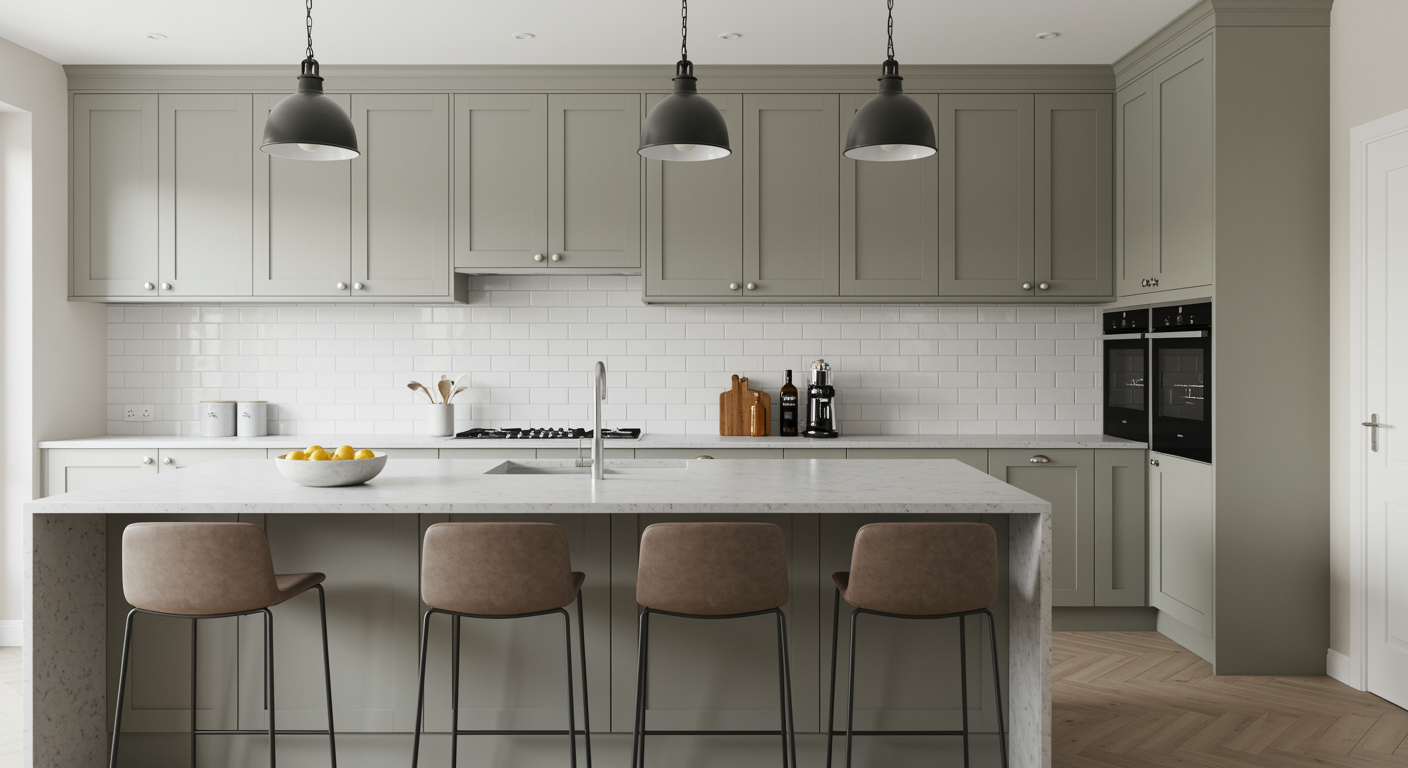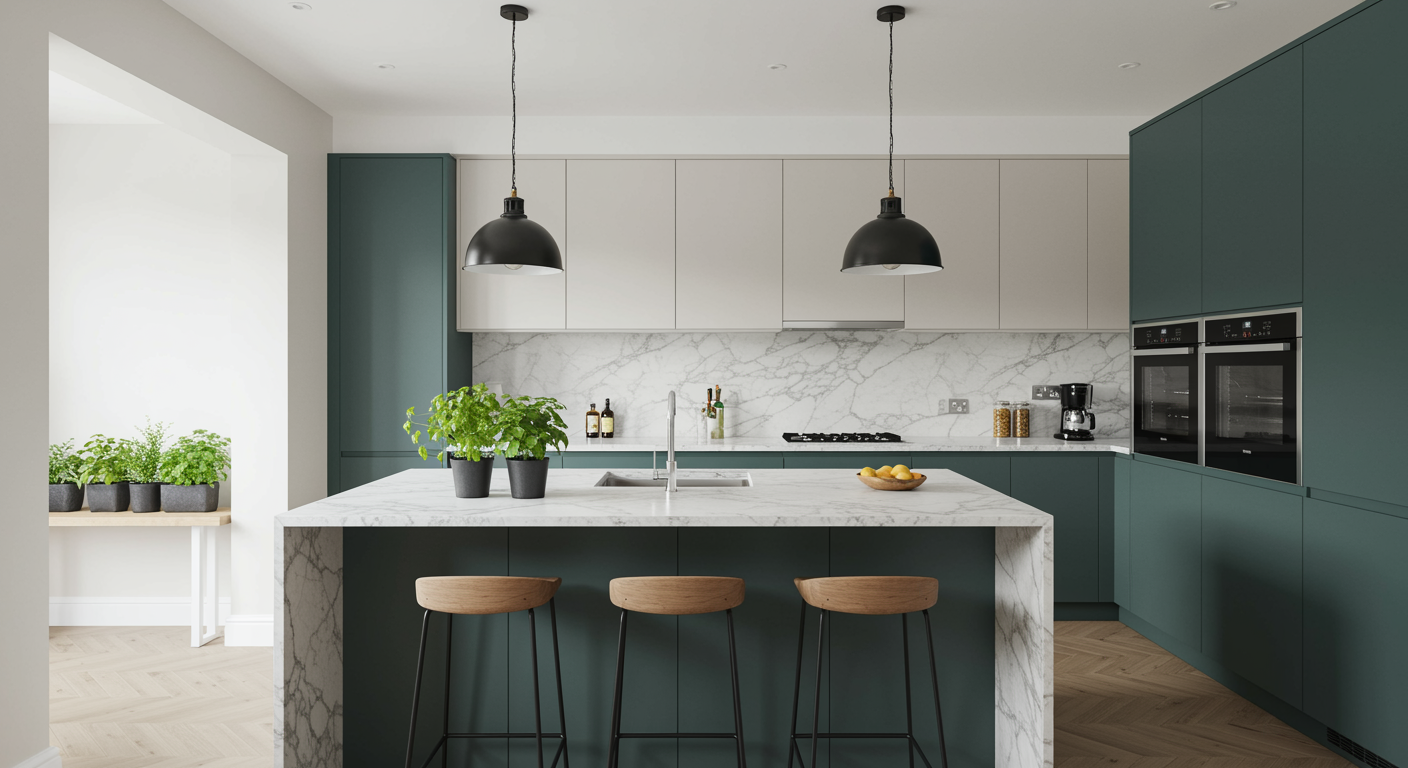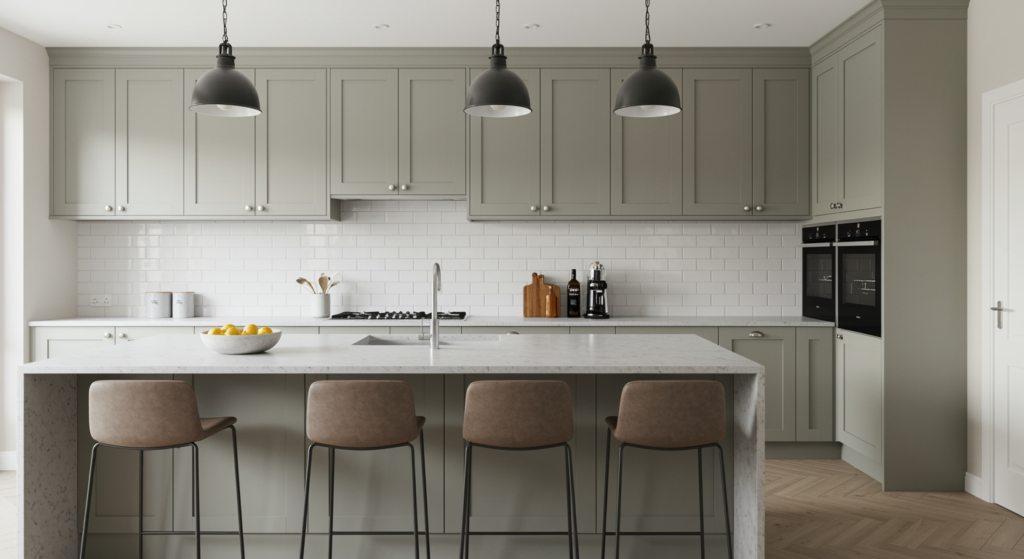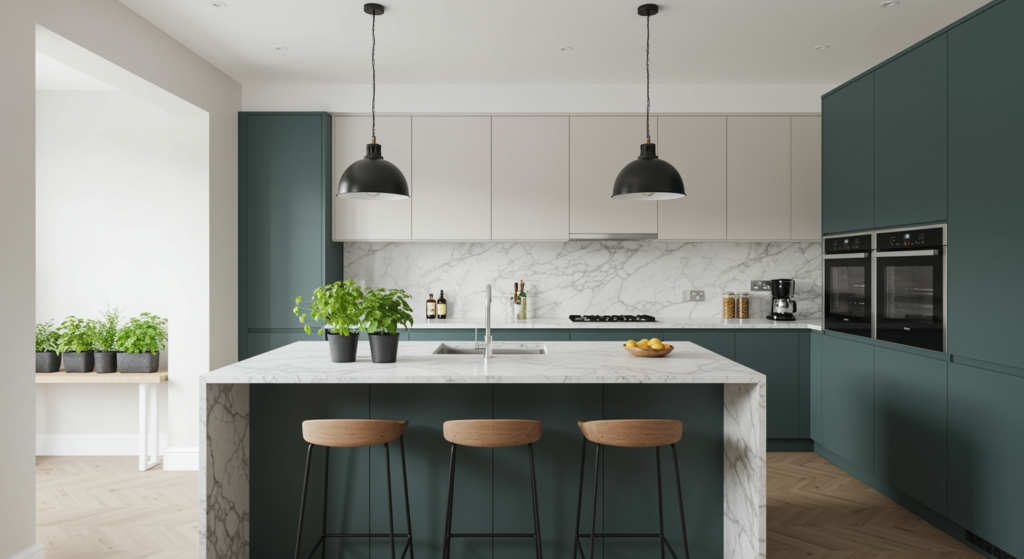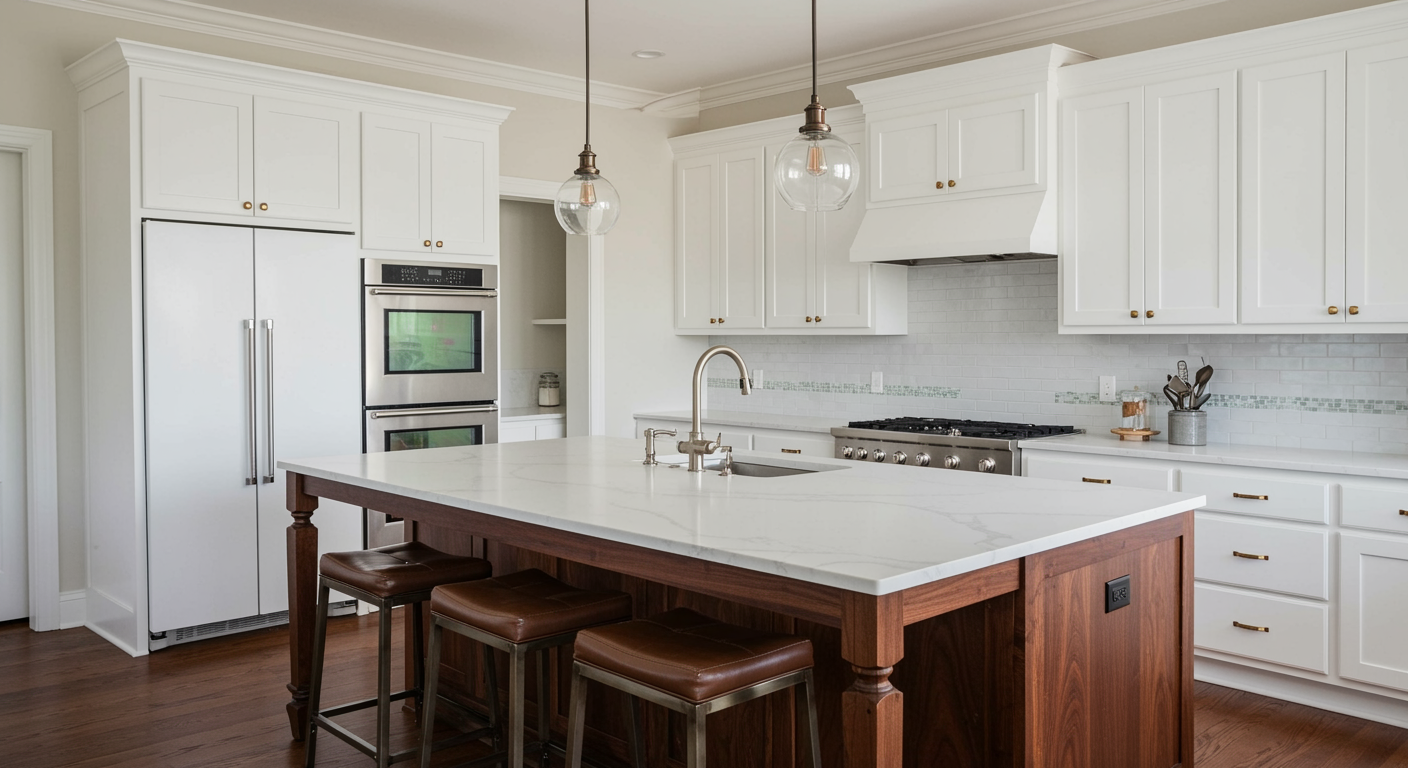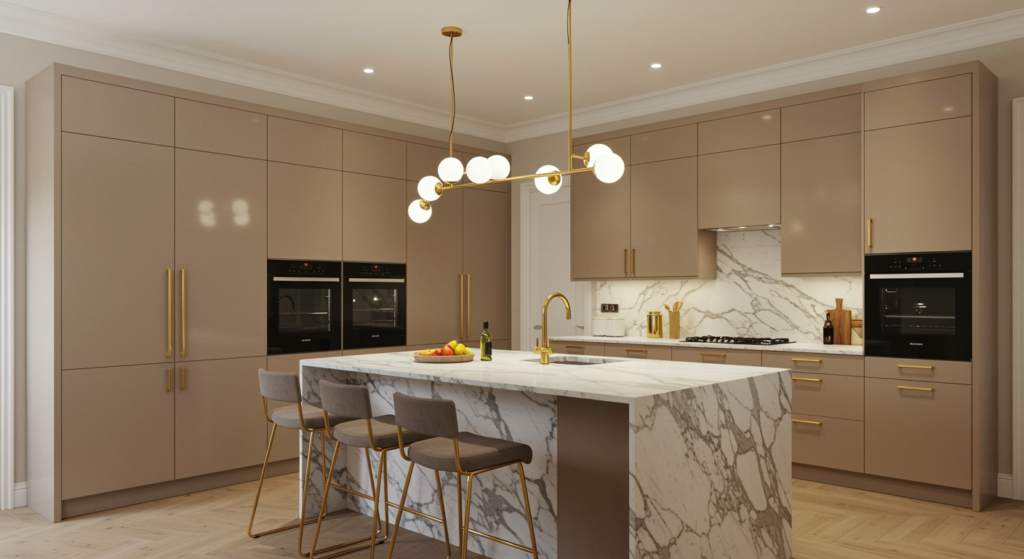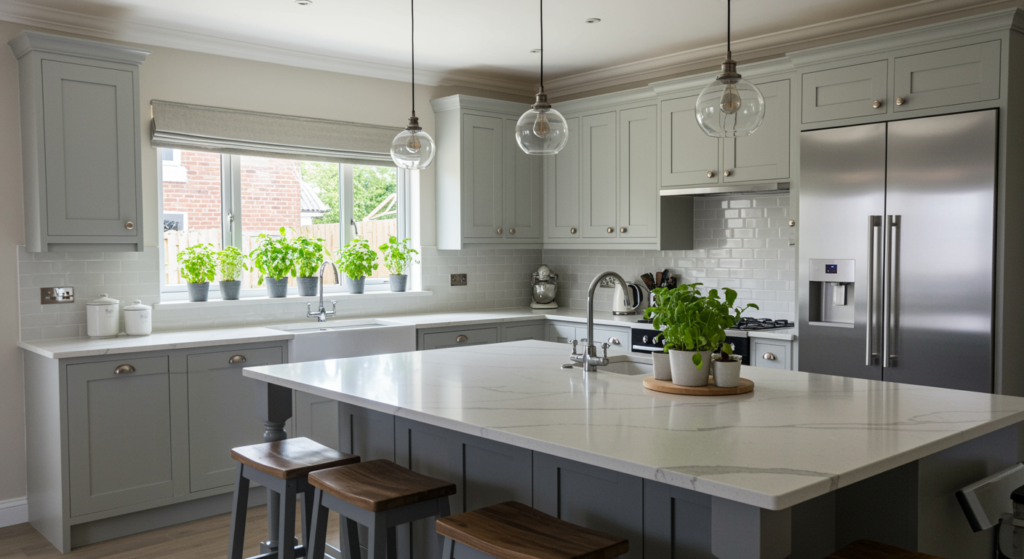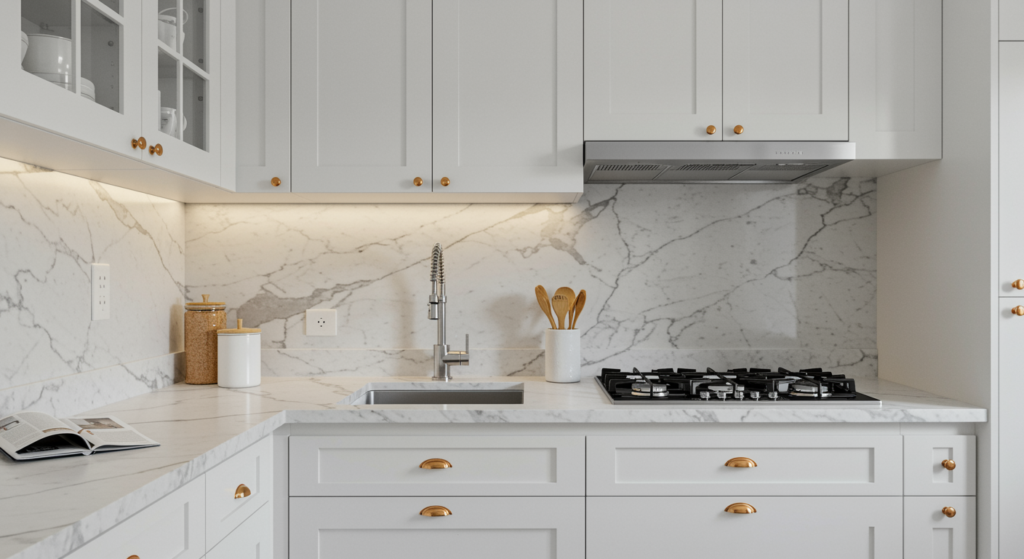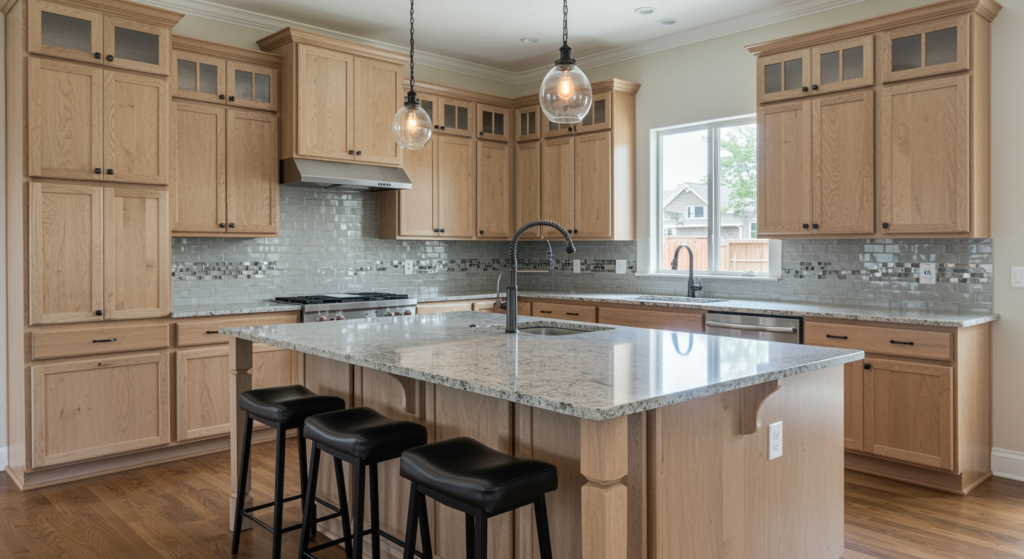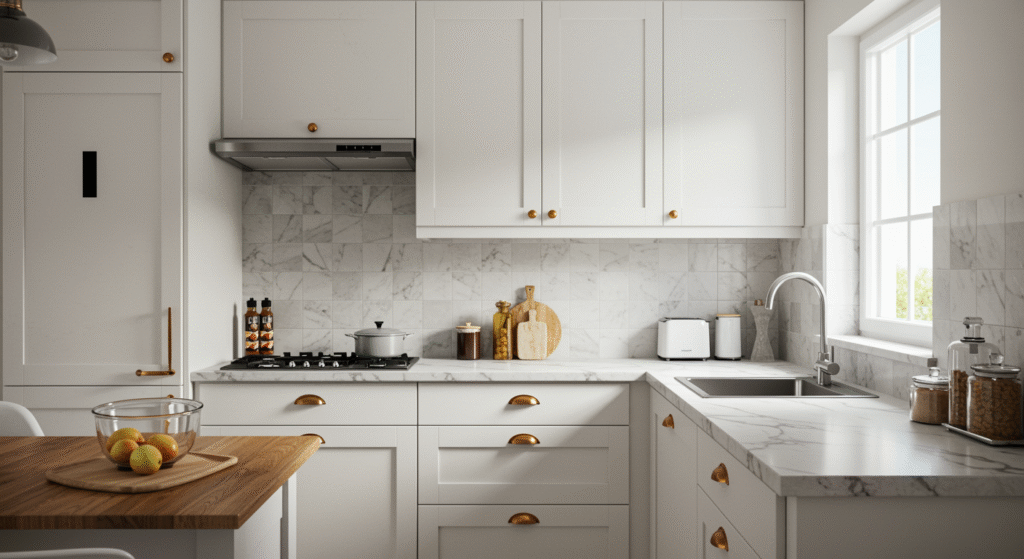
Deadly sins of kitchen design include messy counters, mismatched materials, and bad lighting that immediately degrade your area. These errors break up visual harmony and cause even excellent components to seem obsolete. Steering clear of them helps to produce a refined, coordinated kitchen that looks deliberate and sophisticated.
Deadly Sins Of Kitchen Design 1: Poor Quality Materials
Using inexpensive materials is among the fastest ways to give a kitchen a down-to-earth look. Though first affordable, cabinets made of low-grade particleboard or MDF with thin laminates often warp, chip, or peel over time, hence aging the room.
Low-quality laminates or fake surfaces will discolour or scratch very quickly, therefore giving few years the interior kitchen a battered and unloved look. Choosing for inferior hardware — plastic knobs, misaligned handles, or soft hinges likewise can damage even a well-considered plan, thereby revealing subpar construction. Another important field is flooring: vinyl or laminate looking like premium materials may appear realistic from a distance; under close inspection, though, low-cost coatings, misaligned seams, or visible wear soon exposes its flaws.
Small features such damaged backsplash tiles or discoloured grout help to establish an overall feeling of poor quality. The issue is not just durability but also aesthetic appeal: luxury is conveyed by the depth, texture, and finish of high-quality materials; low-cost replacements often seem flat, synthetic, or uneven.
Hard stone or quartz is ideal for counters; metal or ceramic is best for hardware; and carefully completed engineered boards or sturdy wood instantly improves the appearance of a kitchen, even in a little one. Material selection ultimately influences the mood of the entire kitchen; subpar materials subtly but constantly remind you of cost-cutting, therefore your carefully designed interior looks incomplete and inexpensive.
Deadly Sins Of Kitchen Design 2: Neglecting Finishing Touches

Among the most overlooked yet essential crimes in kitchen design is neglecting finishing touches; doing so can immediately make even a well-designed kitchen appear cheap or unpolished. Finishing touches comprise the small but significant components that unite the entire room, from the uniformity of grout lines and the smoothness of countertop edges to the alignment of cabinet doors and drawers.
If they are ignored, these nuances become obvious and indicate poor workmanship. Neglect is shown in crooked cabinet pulls, unequal backsplash tiles, or cracks between walls and countertops; such signs detract from the general aesthetic. Small errors like visible screws or mismatched trim can cause visual imbalance and give the kitchen a jumbled appearance.
Ignoring coatings on cabinetry and woodwork can result in stains, scratches, and chips that pile up over time, hence validating a subpar appearance. Badly positioned or uneven lighting will draw attention to blemishes rather than enhance the room; hence under this heading come lighting arrangement and fixture finishing as well. Actually, finishing touches change a kitchen from utilitarian to elegant and act as the discreet signs allowing one to recognise care to detail has been used.
Paying careful attention to these details — flawless alignments, uniform finishes, and glossy edges will quickly make a kitchen seem more rich and cohesive. Neglecting them, however, gives the whole room a sense of speed and financial limitations, hence making the kitchen seem inexpensive independent of size or arrangement.
Deadly Sins Of Kitchen Design 3: Mismatched Cabinets and Countertops
One of the most prevalent and visually repulsive errors in kitchen design that immediately exposes a lack of coherence is employing countertops and mismatched cabinets. Conflicting hues, material, or style in cabinets and counters may give the whole room an untidy, cheap, and badly designed appearance.
Matching a glossy, too brilliant laminate countertop with a dark, rustic wooden cabinet, for instance, might cause a conflict that diverts attention for all the incorrect reasons. Likewise, combining premium stone surfaces with cheap laminates or incorrectly selected faux materials may make even a well-designed kitchen appear erratic and subpar.
Often the issue is with the various textures and finishes; a matte cabinet surface beside a gleaming, mirrored counter would seem strange and incomplete. Scale and proportion present still another issue: big countertops on little cabinets or thin, weak counter edges on big cabinets disrupt visual harmony and give the kitchen a more spontaneous instead of deliberate feel. Ignoring this causes a kitchen to appear like a collage of several components rather than a coherent design; even the cabinet design — traditional vs contemporary must complement the countertop choice.
Eventually, unmatched worktops and cupboards destroy the luxurious and polished appearance a kitchen should have. Paying attention to complementary colours, consistent material quality, and balanced textures ensures the room looks deliberate, classy, and costly instead of impulsive and inexpensive.
Deadly Sins Of Kitchen Design 4: Insufficient Lighting

One of the most ignored but strong errors that can cause a kitchen appear inexpensive and poorly built is poor lighting. Apart from being unsightly, a dark kitchen brings imperfections, shadows, and trash into view thereby reducing the overall grade of the room.
Often employs merely one overhead lamp or natural light from a small window to create uneven illumination deepening dark corners and shadowing desks. As a result, cooking, food preparation, and cleaning grow harder and even render the kitchen appear smaller and more messy. Layered lighting which blends ambient, task, and accent lighting helps to produce bright kitchens. Recessed ceiling lights, pendant lights over islands, and under-cabinet LEDs stressing prominent elements like cabinets, backsplashes, and countertops have both decorative and functional advantages.
Good lighting therefore exposes the real textures and colours of materials, therefore enhancing their quality and adding sophistication and intricacy. Cheap-looking kitchens occasionally include vivid, flashing lights designed to draw attention to imperfections, corners, and poorly finished surfaces. Un-polished looks will result from illumination that does not fit the design of a kitchen featuring premium counters and cabinets.
Investing in a planned lighting plan that is, taking into account brightness levels, colour temperature, and location could greatly enhance the whole aspect and so produce a more rich, warm, and tastefully created kitchen environment. Good illumination distinguishes a nicely completed kitchen from one that looks to have been an afterthought; it is more than just practical.
Deadly Sins Of Kitchen Design 5: Crowded or Inefficient Layouts
One of the most common and clearly destructive faults in kitchen design is a small or badly laid out one since it lowers and unfairly arranges a room. The kitchen appears claustrophobic, small, and unwelcome with cabinets, appliances, and worktops whether the materials or finishes are crammed too close.
Many bad designs neglect these ideas since they often reject the basics of workflow, including the classic kitchen triangle guaranteeing fluent transit between the freezer, range, and sink. Cooking, cleaning, and meal planning become hard without this idea; the area looks unclean. The chaos is made worse by overcrowded counters, misplaced cabinets, and obstructed passageways, hence giving the impression the kitchen was built with no effort or caution.
Underutilisation of corners, not optimising of vertical space or carelessness of multifunctional furniture, might make the cramped feeling in smaller kitchens more pronounced. Therefore, the room seems cheap even with premium materials because a design that restricts flow or produces bottlenecks cannot be offset even with elegant finish. Highlighting the lack of preparation, bad lighting positioning in a densely designed space can worsen shadows and so decrease the area.
Finally, a kitchen with a jumbled or inadequate design shows disrespect to both appearance and usefulness, hence transforming a comfortable, practical space into one that is drab and uneasy. Deliberate spacing, first priority on work flow, and careful planning to make even a small kitchen look elegant, spacious, and spotless will help one to prevent this often mistake.